Cincinnati, OH · Garage Door Service
Serving Springdale's 1970-era housing stock, 10 miles from our Cincinnati base. Torsion springs, openers, and panel repair sized to this area's original hardware.
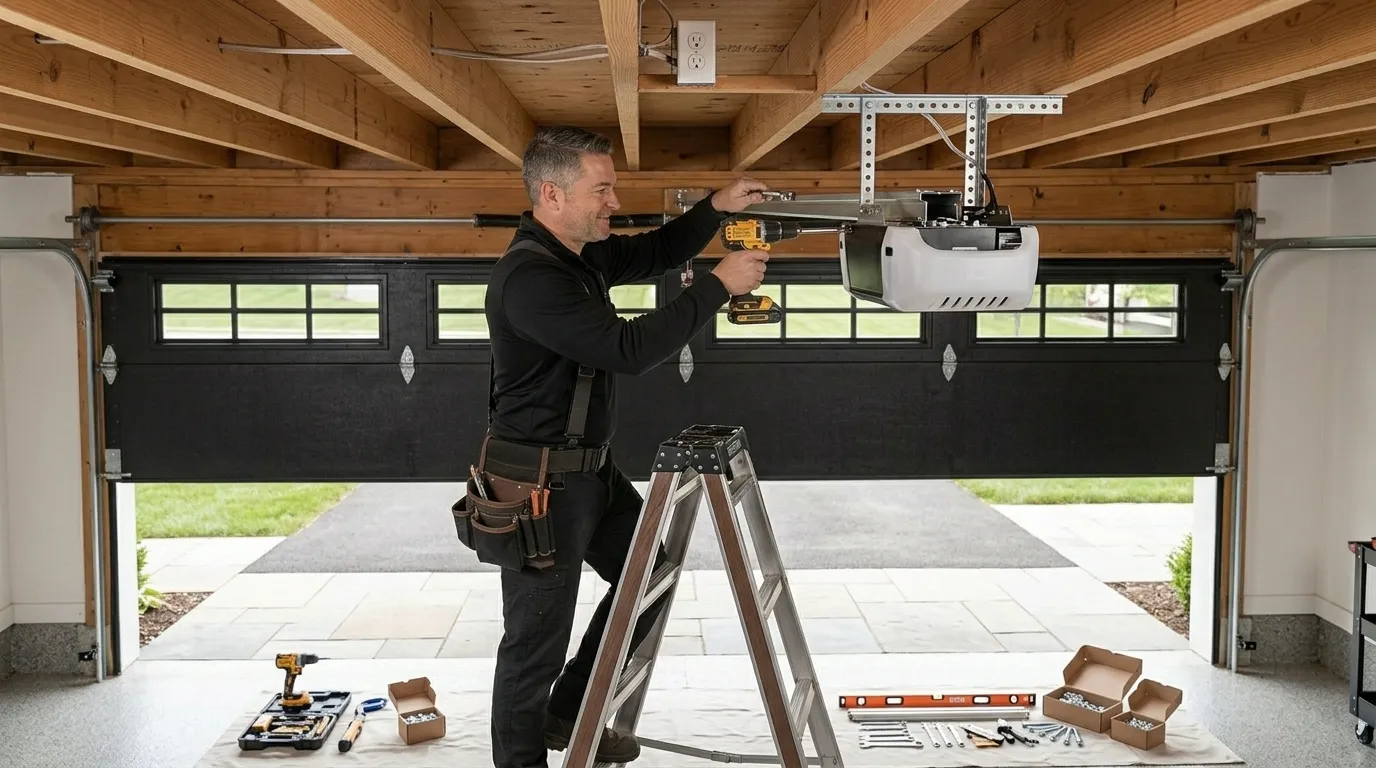
We don't stock every obsolete opener chain drive from the 1970s on the truck, and we won't pretend a part is on hand when it isn't. If your door in Springdale uses a discontinued track bracket or a panel style that stopped shipping decades ago, we tell you that up front and give you the honest choice: wait on a special order or replace the section with something current. We also don't do jobs that are cheaper to replace outright than repair - a door with three cracked panels and a rusted-through bottom section is a replacement conversation, not a patch job, and we'll say so instead of running up a repair bill that doesn't hold. What we will do is come out from Cincinnati, look at what's actually failing, and quote the real fix. That's 10 miles of travel each way, so we schedule the visit rather than promising a same-hour drop-in.
Springdale sits about 10 miles from our Cincinnati shop, and that drive is baked into how we schedule calls here - we're not stationed in the area, so we route Springdale jobs with others nearby rather than treating each one as a standalone trip. Winters in this part of Ohio run cold enough that steel components contract and lubricant thickens, which is when older torsion springs from the 1970s stock tend to finally let go; that's the season we see the most calls for broken springs on doors that have quietly been losing tension for years. We'd rather set an appointment window and show up prepared with the right spring size and end bearings for a 1970s door than rush out and discover on-site that we need to go back for parts.
Springdale's housing runs to a median build year around 1970, which puts most original garage doors and their hardware squarely in the torsion-spring era before today's extension-spring safety cable requirements and before insulated steel became standard. That means a lot of doors here are single-layer steel or older wood composite, hung on hardware that was solid for its time but wasn't engineered for the R-value expectations or the galvanized coil life of what's sold today. When a spring lets go on a door this old, the drums, bearing plates, and even the track gauge are often a size nobody stocks new - we either match the original spec from a specialty supplier or, if the door's due anyway, move the homeowner to a current door and opener that fits the same rough opening. Given the region's cold winters, we also see stiff or seized rollers on doors that haven't been serviced since they went up, which shows up as a door that groans, hesitates, or won't fully seat in the frame on the coldest mornings.
With roughly 4,148 households in Springdale and a median household income near $72,500, most of the work we quote here is repair and targeted hardware replacement rather than full custom builds - homeowners want the door working right without over-spending on features a 1970s-era opening doesn't need. That budget reality shapes our recommendations: we'll suggest a standard steel replacement door and a mid-range belt-drive opener before we pitch anything higher-end, because that's what actually matches the housing stock and what most owners here are asking for. It also means we see a fair number of doors that have had one or two prior patch repairs - a spliced cable, a mismatched panel - and our job is often untangling a decade of small fixes rather than starting clean.
We're based in Cincinnati, about 10 miles from Springdale, so we don't have a local depot here. We batch Springdale calls with nearby jobs to keep travel efficient, which means we work from scheduled appointment windows rather than immediate walk-up service.
With a median build year around 1970 in Springdale, a lot of original doors and torsion hardware are still in service. The springs and drums on those doors are often a size that isn't stocked new anymore, so a repair may mean sourcing a specialty part or discussing replacement if the hardware is too far gone.
Cold weather stiffens steel and thickens old lubricant, which puts extra strain on a torsion spring that's already near the end of its cycle life. On 1970s-era doors in this area, that's the most common time of year we get called out for a spring that finally lets go.
It depends on what's failing. A worn spring or a bad roller on an otherwise sound door is worth fixing. A door with multiple damaged panels or hardware that's rusted through usually costs more to keep patching than to replace, and we'll tell you which situation you're in before quoting anything.
Call now or request a free quote - same-day service on most repairs, upfront written pricing.