Cincinnati, OH · Garage Door Service
Cincinnati's 1960s-70s slab foundations and cold-moderate swings knock safety sensors out of alignment. Here's when to fix it yourself and when to call.
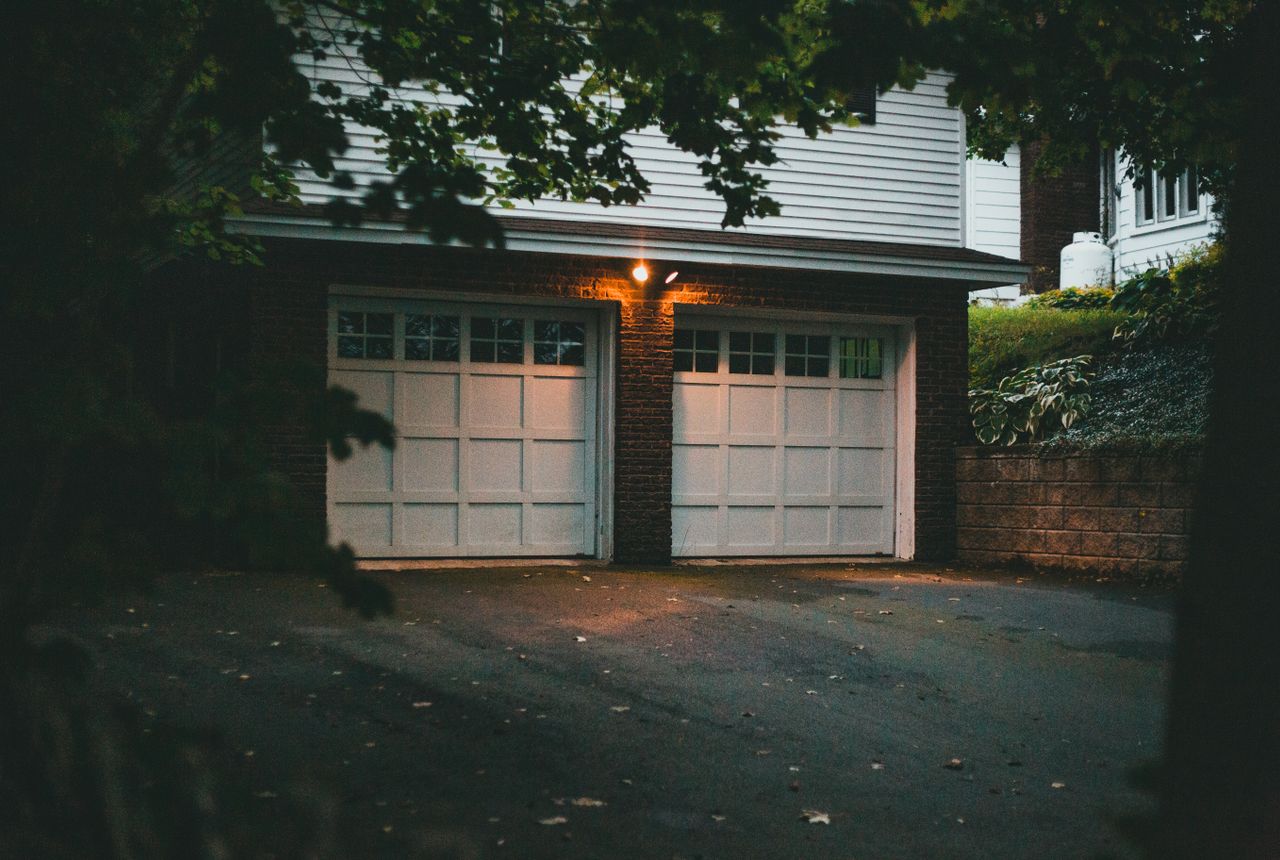
If your opener reverses the door every time, or the light on one sensor blinks while the other stays solid, you can usually fix that yourself - a bump from a bike or a stored ladder is the most common cause, and a few minutes with a level sorts it out. But in houses built before the 1980s, which describes a lot of the stock across this service area (median build year 1972, per F1), the sensor brackets are often bolted to a wood jamb that's shifted with the slab underneath it over fifty-plus years. When the bracket itself has racked out of square, no amount of nudging the sensor eye will hold alignment for more than a week. That's a job for someone who can shim or re-set the bracket, not just tilt the sensor. If you've re-aligned the same sensor three times this season and it keeps drifting back, stop adjusting and have someone check whether the wood behind the bracket has moved. Chasing the same fix repeatedly is the clearest sign the problem isn't the sensor - it's what it's mounted to.
Not every flicker needs a same-day call. If the sensors are lining up fine but you notice the door hesitates slightly on cold mornings before catching, that's often just condensation on the lens - wipe both eyes with a dry cloth and give it a day. In a cold moderate climate like ours, temperature swings between a 30-degree morning and a 55-degree afternoon are routine in fall and spring, and that swing alone can cause enough expansion and contraction in an older wood frame to throw off alignment by a hair without anything being broken. If the door still closes and reverses correctly when you test it with a hand under the beam, you're fine to wait a week and watch it rather than book a truck. Save the call for when the misalignment is constant, not just on the coldest or first-thaw mornings.
Across the area this company covers - 91,321 owner-occupied houses among 185,236 households - the housing stock skews old. F1 puts the build range at 1938 to 1999 with a median around 1972, and F2 confirms most of it is 1960s-70s construction spread across 59 named neighborhoods and suburbs, from Corryville and Avondale right next to the city core out to Blue Ash and Forest Park ten miles off. That means the garage itself, in a huge share of these homes, was framed for a door and opener setup that predates today's sensor-based safety systems entirely - sensors got added later, often on brackets that were never meant to carry them long-term. With median household income at $79,195, most owners here are maintaining a house, not renovating it top to bottom, so a sensor bracket that's been zip-tied to a stud since some previous owner installed the opener in the '90s is more common than you'd think.
The cold moderate climate here means the garage door frame goes through real expansion and contraction every year, not the extreme freeze-thaw of the upper Midwest but enough cycling to work screws loose in a wood jamb over decades. Combine that with a house built when the median local home went up - 1972, per F1 - and you've got sensor brackets mounted to lumber that's had fifty winters to dry out, shrink, and loosen its grip on hardware. That's the actual reason sensors here drift more than a spec sheet would suggest: it's rarely the sensor itself failing, it's the wood behind it losing its hold a little more each season. Owners in the older pockets of this service area - anywhere close to that 1972 median build year - tend to see this show up first as an intermittent reversal in early spring, right when the frame starts warming and shifting after winter. If that's your pattern, the fix is usually re-anchoring the bracket into solid wood, not replacing the sensor.
In this cold moderate climate, the wood jamb the sensor is mounted to expands and contracts with the temperature swings we get through fall, winter, and spring. On older frames - and a lot of houses here date to the 1960s-70s per F2 - that movement is enough to nudge a bracket out of alignment without anything actually breaking.
Houses built around the local median of 1972 often have sensor brackets added after the original construction, sometimes screwed into jambs that have since dried out and loosened. That combination shows up as more frequent drift than you'd see on newer construction with sensors built into the original frame.
Yes, for occasional bumps - that's a normal DIY fix. But if you're re-aligning the same sensor every week, the bracket or the wood behind it has likely shifted, and re-aligning the sensor itself won't hold. At that point it needs the mount fixed, not the eye adjusted.
Call now or request a free quote - same-day service on most repairs, upfront written pricing.