Cincinnati, OH · Garage Door Service
Thinking about buying a replacement door in Cincinnati? See how the area's 1938-1999 housing stock and cold winters shape door and opener choices here.
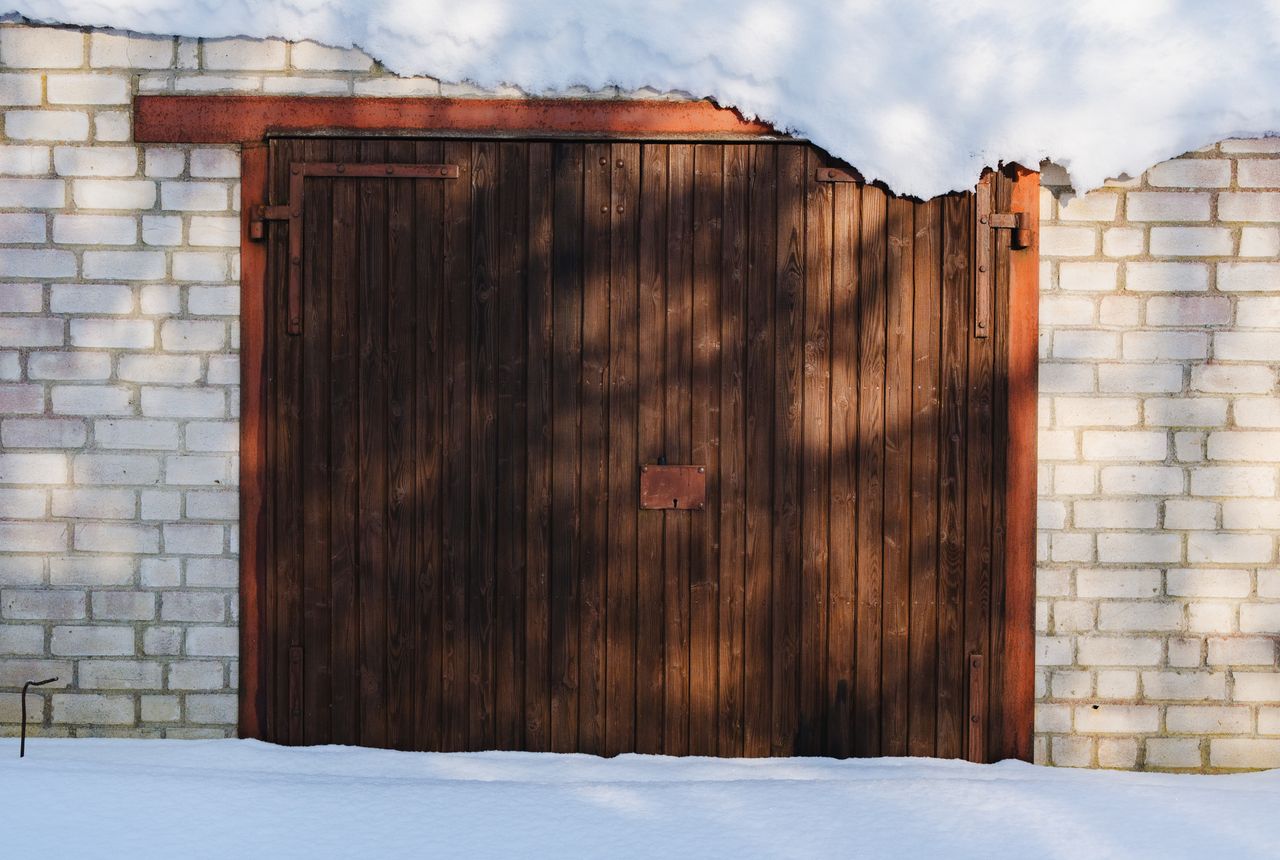
Most of the housing stock around here went up between 1938 and 1999, with the median build year landing around 1972. That matters because a door bought off a shelf today is not always sized to fit an opening framed sixty or seventy years ago. Doors from that era often ran on torsion springs and hardware that was standard in the 1960s and 70s but isn't what suppliers stock now, and the track spacing, header clearance, and jamb condition can all be off from current spec.
If you're pulling the old door and the jamb is out of square, or the header doesn't leave room for a modern spring shaft, that's a job for someone who measures openings for a living, not a weekend project with a tape measure and a YouTube video. Same goes for anything involving high-cycle torsion springs under tension - those store enough force to break a hand or worse. Once you're past swapping weatherstrip or a bottom seal, and into pulling track, resetting jambs, or matching an opening built to older dimensions, call it in.
One honest limit: if your opening is a non-standard size from that older building era, we may need to special-order rather than pull from stock, and that adds lead time. We'll tell you upfront if that's the case rather than promise a same-day fit that isn't realistic.
Not every problem on an older door means you need a new one this week. A dent in a steel panel, a squeaky roller, or a door that's a little slow to close because the opener's force setting drifted - none of that is urgent, and none of it means the whole unit needs replacing. If the door still seals reasonably well against the weather and the springs are original but not showing rust or fraying, you can often ride it another season.
Given that a lot of homes here carry doors and openers original to a build era stretching back to 1938, we see plenty of doors that are cosmetically rough but mechanically sound. Replacing a door because the paint is chalky or a panel has a dent from a bike is spending money you don't need to spend yet. The honest call in that situation is a panel repair or a repaint, not a full swap.
Waiting is the wrong move only when the spring is visibly stretched or gapped, the cables are frayed, or the door is dropping unevenly - those get worse fast and can put someone through a hand or a foot. Short of that, a door that still opens smooth and seals tight can wait for a planned replacement instead of a rushed one.
This service area covers Cincinnati and 59 named surrounding communities, from close-in neighborhoods like Corryville and Avondale right at the city's edge to towns eight to ten miles out like Blue Ash, Forest Park, and Glendale. Across that footprint there are roughly 185,236 households and about 91,321 owner-occupied houses, with median household income around $79,195.
That income figure matters for how we talk about replacement: it's a market where a mid-range steel door with a decent insulation package is the realistic default, not the cheapest builder-grade option and not a premium custom door for most jobs. When someone asks what a typical replacement looks like here, that's the range we're usually working in.
The geographic spread also means travel time and stock on the truck vary by job. A call from Walnut Hills or Evanston, a mile or two out, is a different logistics picture than one from Forestville or Newtown, eight miles out. We don't pretend every job gets the same response window regardless of where it sits in that radius, because it doesn't.
The climate band here is classified cold-moderate, which means winters cold enough that an uninsulated steel door lets real heat out of an attached garage, but not so extreme that you need the heaviest commercial-grade insulation package made. For a garage that shares a wall with living space, or houses a water heater, that distinction changes what door spec actually makes sense to buy.
Combine that with a lot of openings framed in the 1960s and 70s: older jambs and headers weren't always built with a fully insulated door and matching seal kit in mind, so a straight swap sometimes needs added weatherstripping or a bottom seal upgrade to actually close the gap the old door left. We see this most on original openings where the door was replaced once already but the seal package wasn't updated with it.
We won't sell you a heavier insulated door than the situation calls for. If the garage is detached and unheated, a basic seal and a standard door do the job, and spending more on an R-value you won't feel isn't worth it. The cold-moderate rating here means most homes land in the middle of the insulation range, not at either extreme.
Depends on the age of the framing. A lot of openings here date to the 1938-1999 building era, and headers and jambs from that time don't always match current standard clearances. We measure before quoting so you know upfront if the jamb needs adjustment or if a standard door will drop right in.
The climate here is cold-moderate, which means insulation helps but you likely don't need the heaviest package made. If your garage is attached or shares a wall with living space, a mid-grade insulated door usually makes sense. Detached, unheated garages often don't need it.
The service area runs from close-in spots like Corryville and Avondale out to communities roughly eight to ten miles away like Blue Ash and Forest Park. Distance affects scheduling, so a job a mile out and one eight miles out won't always get the same window.
Call now or request a free quote - same-day service on most repairs, upfront written pricing.