Cincinnati, OH · Garage Door Service
Cincinnati's housing stock runs 1938 to 1999, median 1972, built before today's insulation codes. Here's when a garage door problem is a weekend fix and when it isn't.
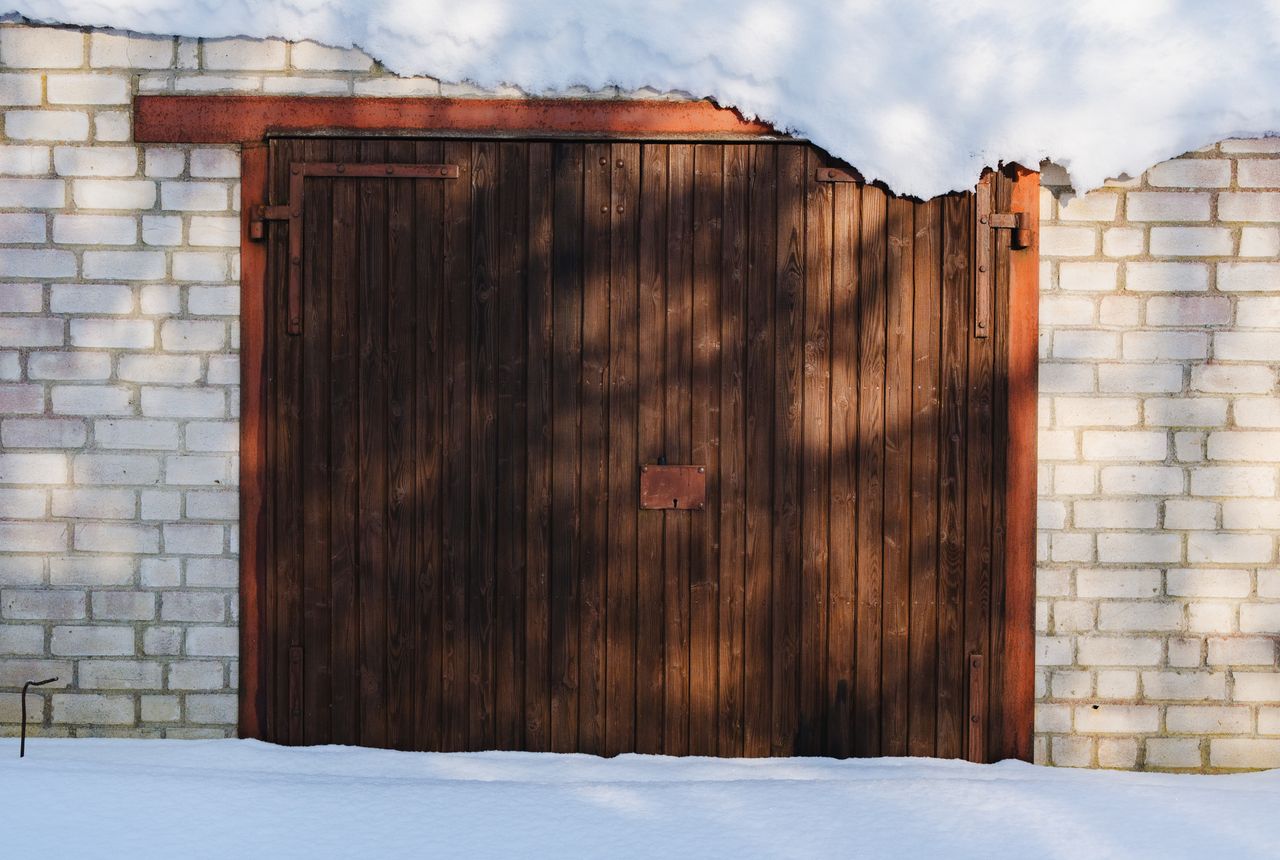
A lot of the garage doors around Corryville, Avondale, and Walnut Hills are original to houses built well before insulation codes caught up with the rest of the country. Median build year across this service area lands around 1972, and plenty of stock goes back to 1938. That matters more than people think, because a door from that era often has no thermal break in the panel and a jamb that was never sealed for one. If a panel is dented but the door still tracks straight and the springs are intact, that's a DIY-friendly fix - replace the panel, check the weatherstrip, move on. But if the door is sagging in its frame, or the bottom seal has been replaced three times and still lets in air, you're not looking at a maintenance job anymore. You're looking at a door and frame that were built for a different set of expectations than what a modern opener and modern insulation standards assume. At that point, pulling the door and squaring the frame is a job for someone who's opened up a hundred of these 1960s and 70s builds, not a first-timer with a drill.
Not every issue on an older Cincinnati door needs same-week attention. A slightly noisy roller on a house built in the 1960s or 70s is normal wear, not a warning sign - that hardware has usually been re-lubricated a dozen times over the decades and a little noise doesn't mean failure is close. If the door still opens and closes on a level track, seals reasonably at the bottom, and the springs show no visible stretching or gaps between coils, you can leave it through a full cold-weather season without worry. The climate here is cold-moderate, not brutal, so a door that's functioning doesn't need emergency attention just because it's old. Where we tell people to wait: cosmetic panel dents that don't affect the seal, minor track misalignment that hasn't caused the door to bind, and worn but still-working weatherstripping. None of that gets worse overnight. Save the service call for something that's actually changed - a new sound, a new gap, a door that hesitates.
Across the 59 named communities in this service area - from Corryville and Bond Hill close in, out to Blue Ash and Forest Park ten miles off - the housing stock skews old. Most of it went up between 1938 and 1999, with the bulk concentrated in the 1960s and 70s. That means most garage doors in Norwood, Cheviot, Finneytown, and similar neighborhoods were installed to a building code that had nothing to say about insulation values, because those requirements didn't exist yet when the houses were framed. A door installed to 1972 standards and a door installed to today's standards are not comparable products, even if they look similar from the driveway. That gap shows up as higher energy loss through the garage bay, condensation on cold panels, and hardware that was sized for a lighter, uninsulated door and now struggles under an insulated replacement someone bolted onto the same track without upgrading the springs.
Cincinnati sits in a cold-moderate climate band - not the brutal winters of places further north, but enough freeze-thaw cycling each year to matter for a door that was never built with a thermal break. On an original 1960s or 70s door, that cycling shows up as condensation dripping off the inside of the panel on cold mornings, and as stiffer, slower-moving springs in January than in July. None of that is dangerous on its own, but it's the reason older doors in this area seem to need more frequent lubrication and adjustment than people expect from a door that
Call now or request a free quote - same-day service on most repairs, upfront written pricing.