Cincinnati, OH · Garage Door Service
Garage door repair for Cincinnati homes built mostly between 1938 and 1999, serving Corryville, Avondale, Hyde Park, Oakley, and 40+ nearby areas.
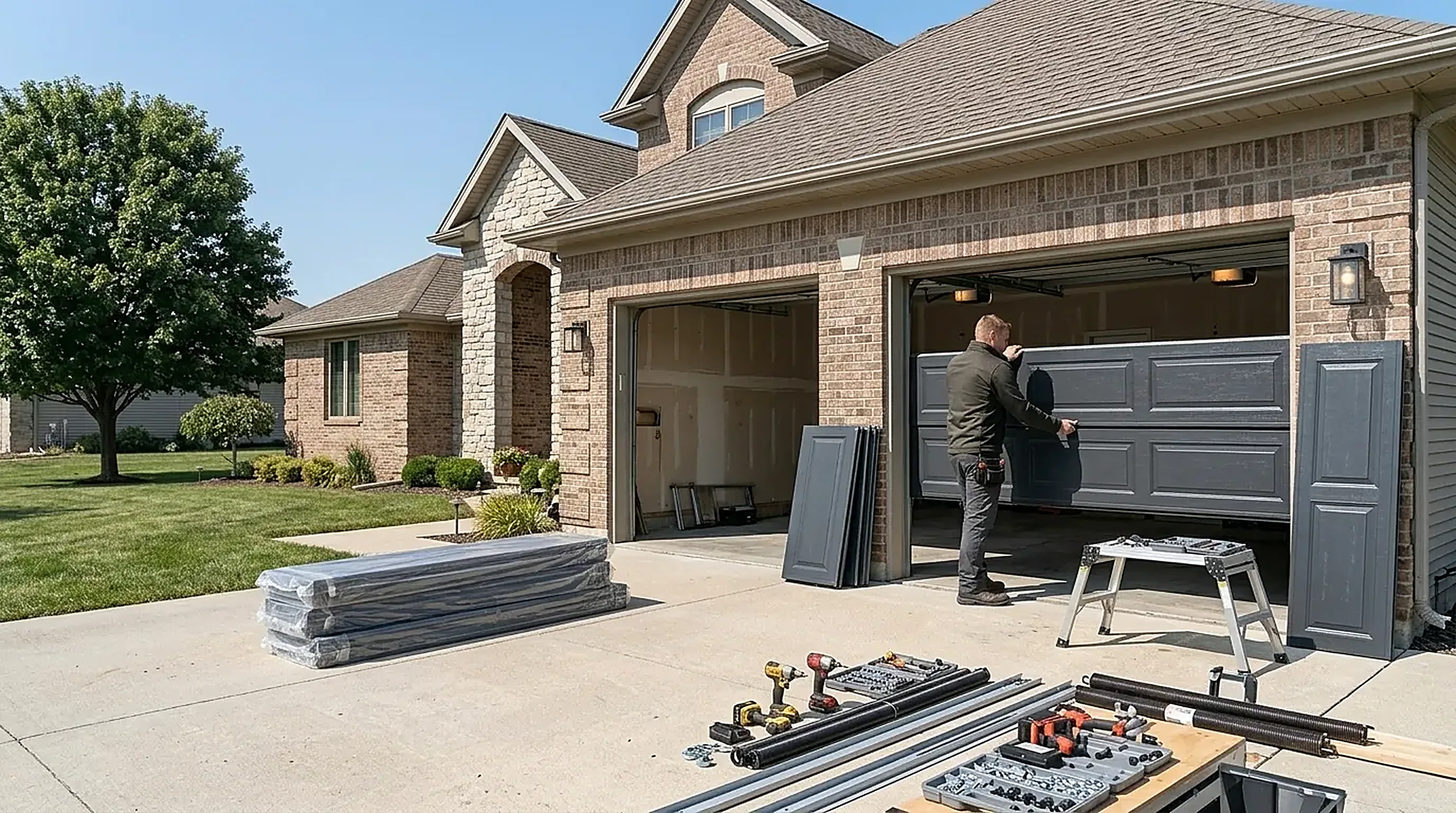
What We Do
From a snapped spring to a full door replacement - one local crew, upfront pricing.
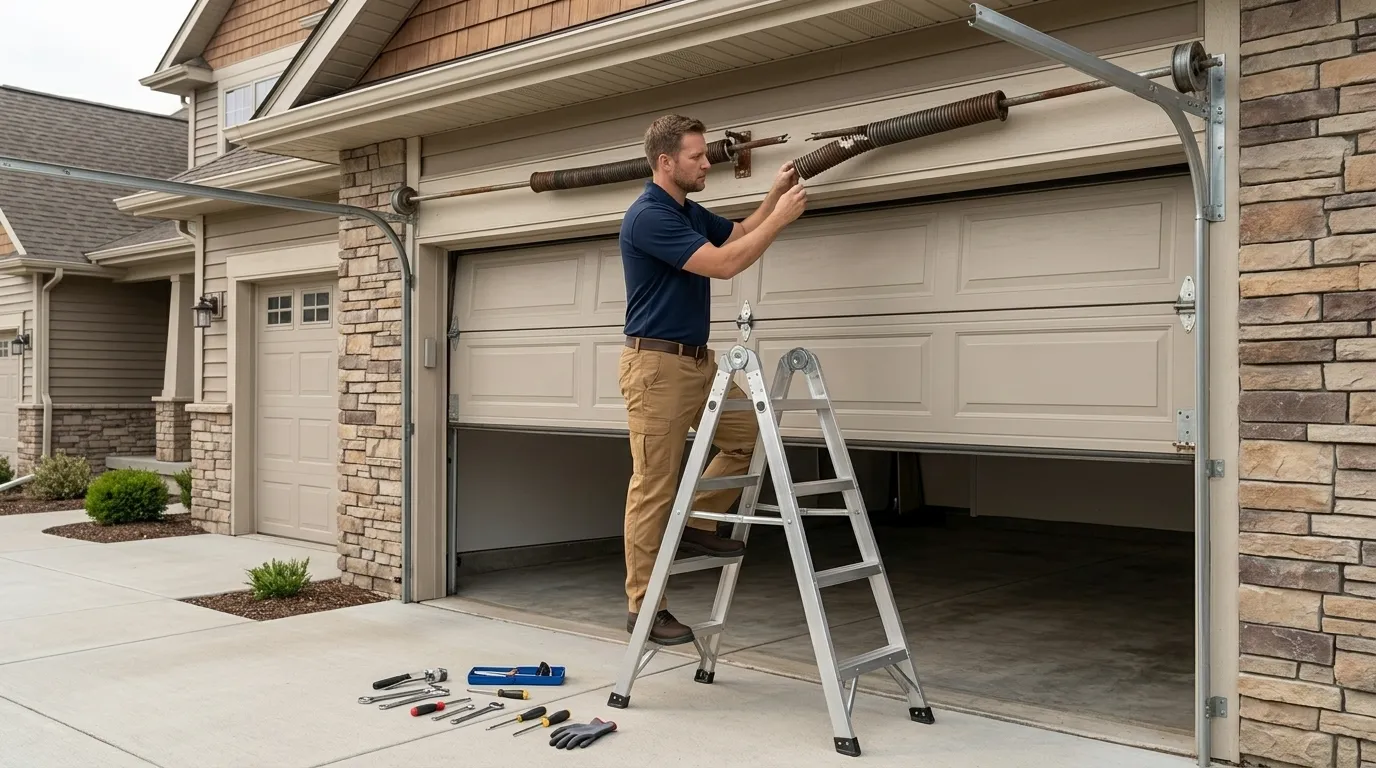
Off-track doors, snapped cables, bent panels and grinding openers - diagnosed and fixed.
Learn more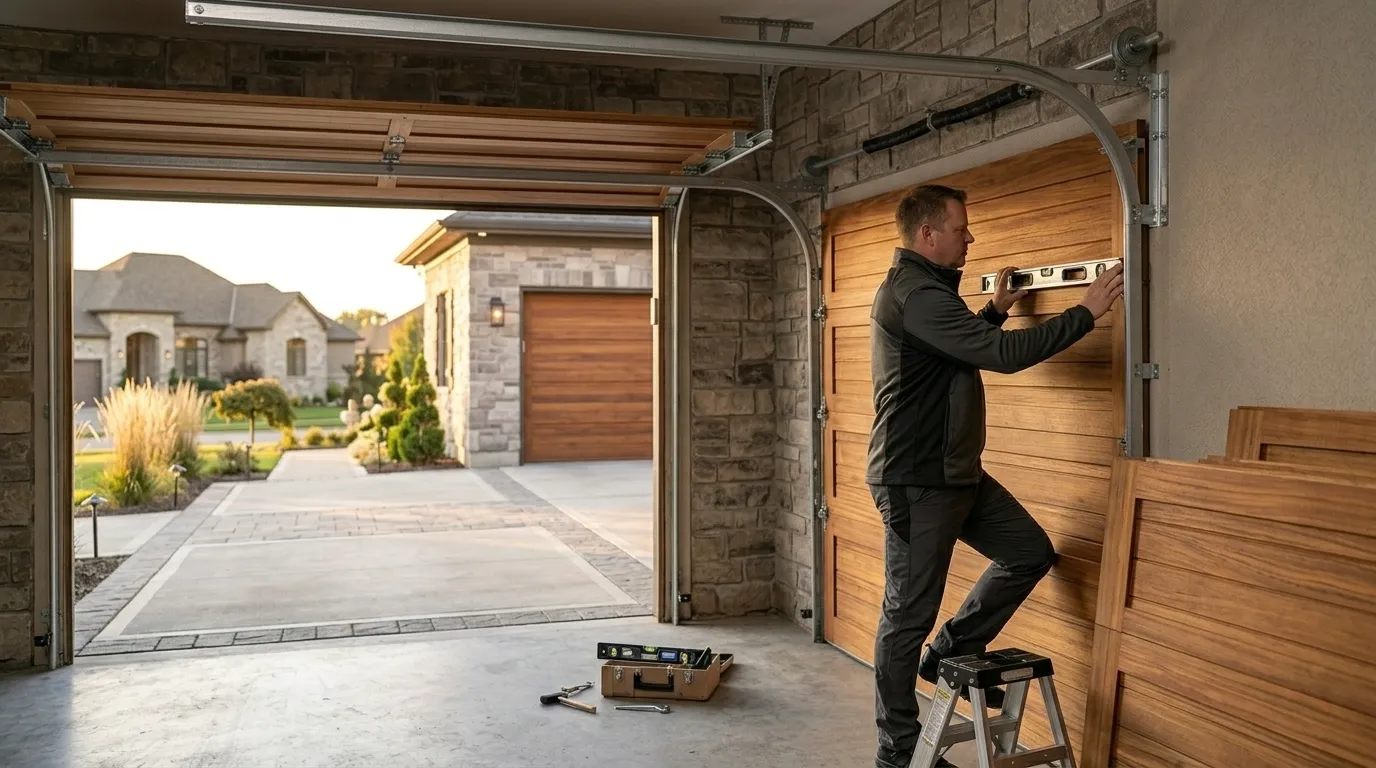
Chain, belt and screw-drive openers, safety sensors and rolling-code remotes.
Learn more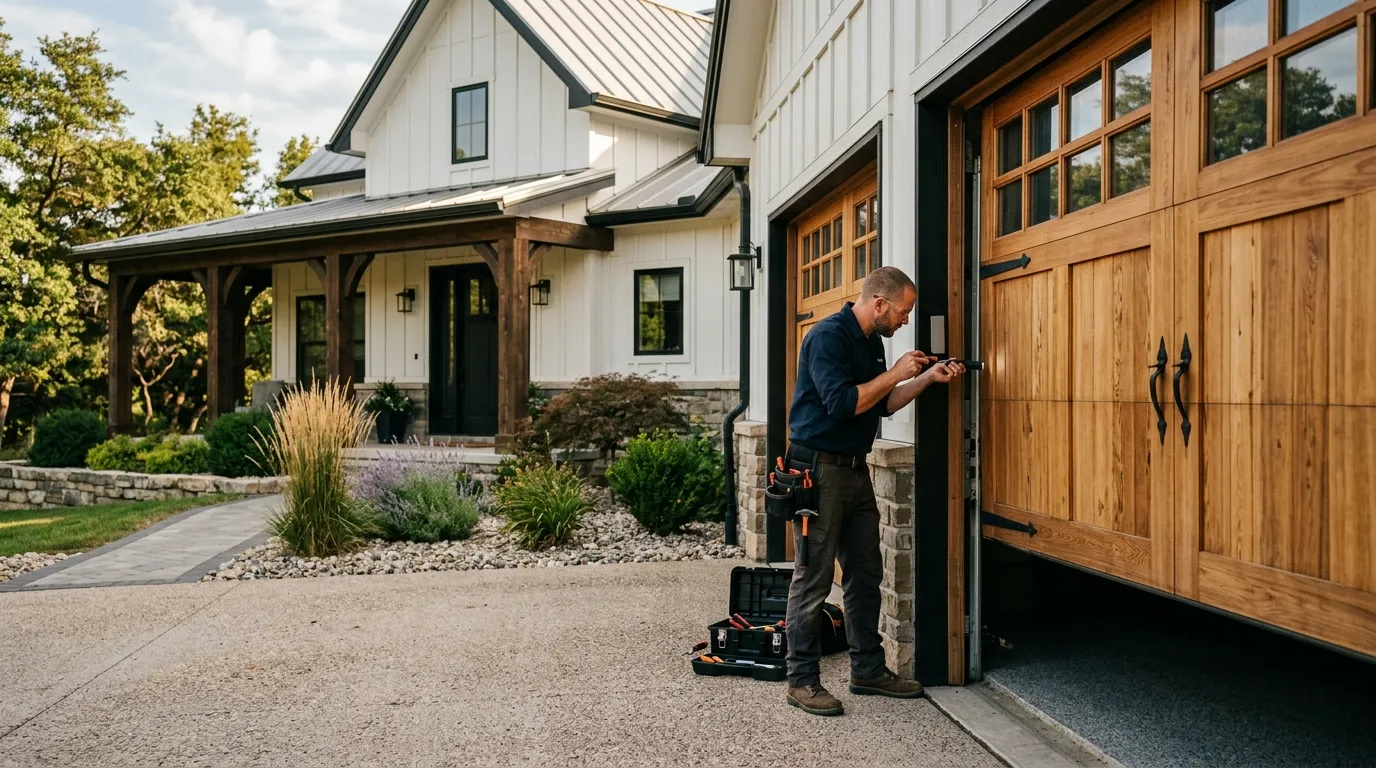
Doors jumped the track re-set, aligned and re-tensioned so they run true.
Learn more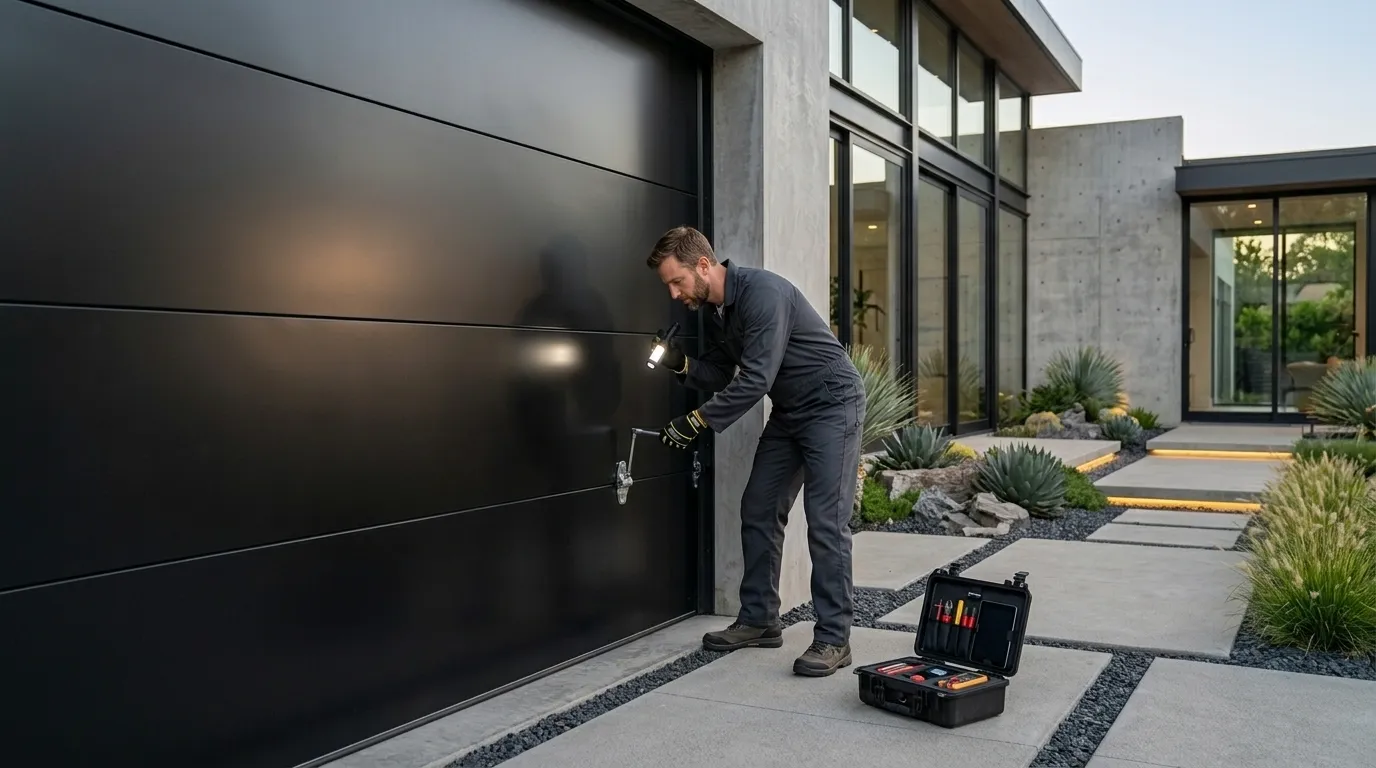
Worn nylon or steel rollers replaced to kill the grinding and shaking.
Learn more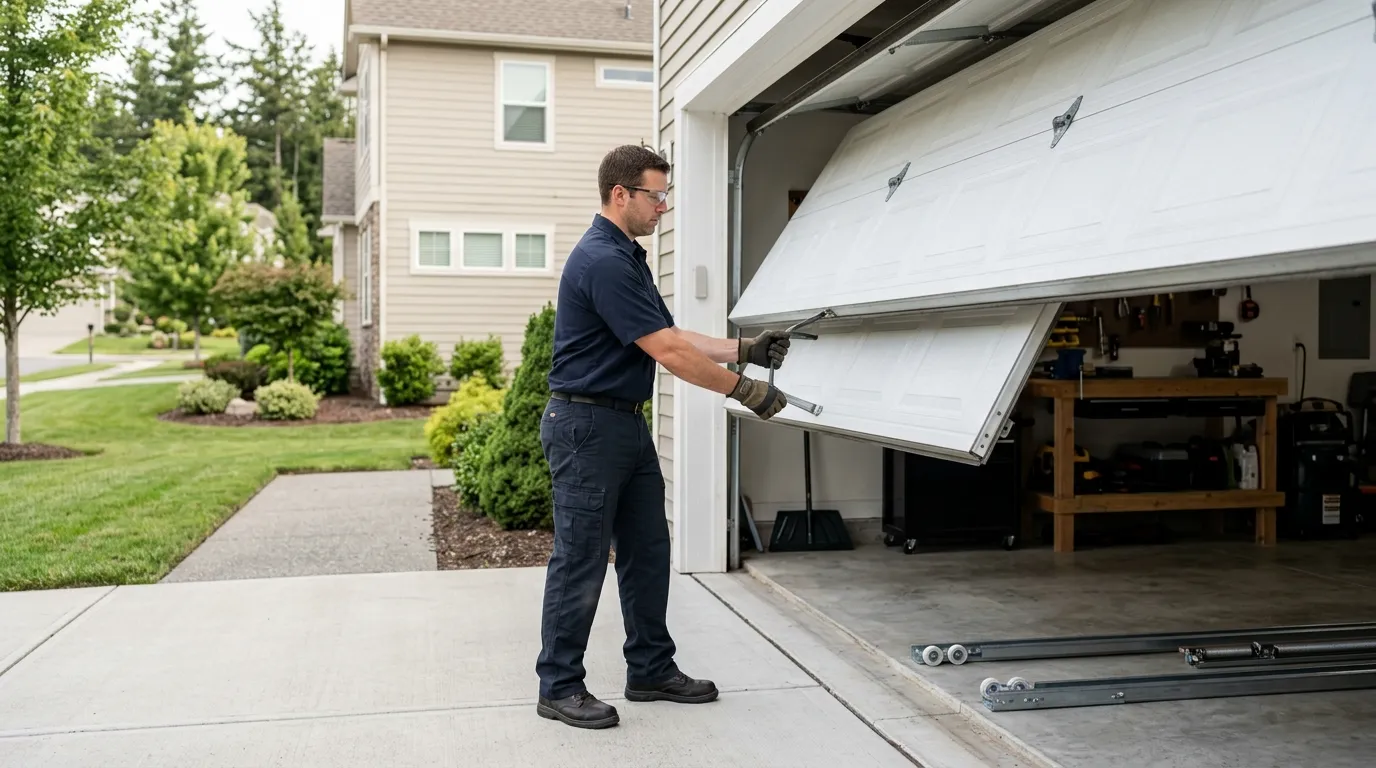
Spring tension, roller and track service that keeps an older door running quiet.
Learn more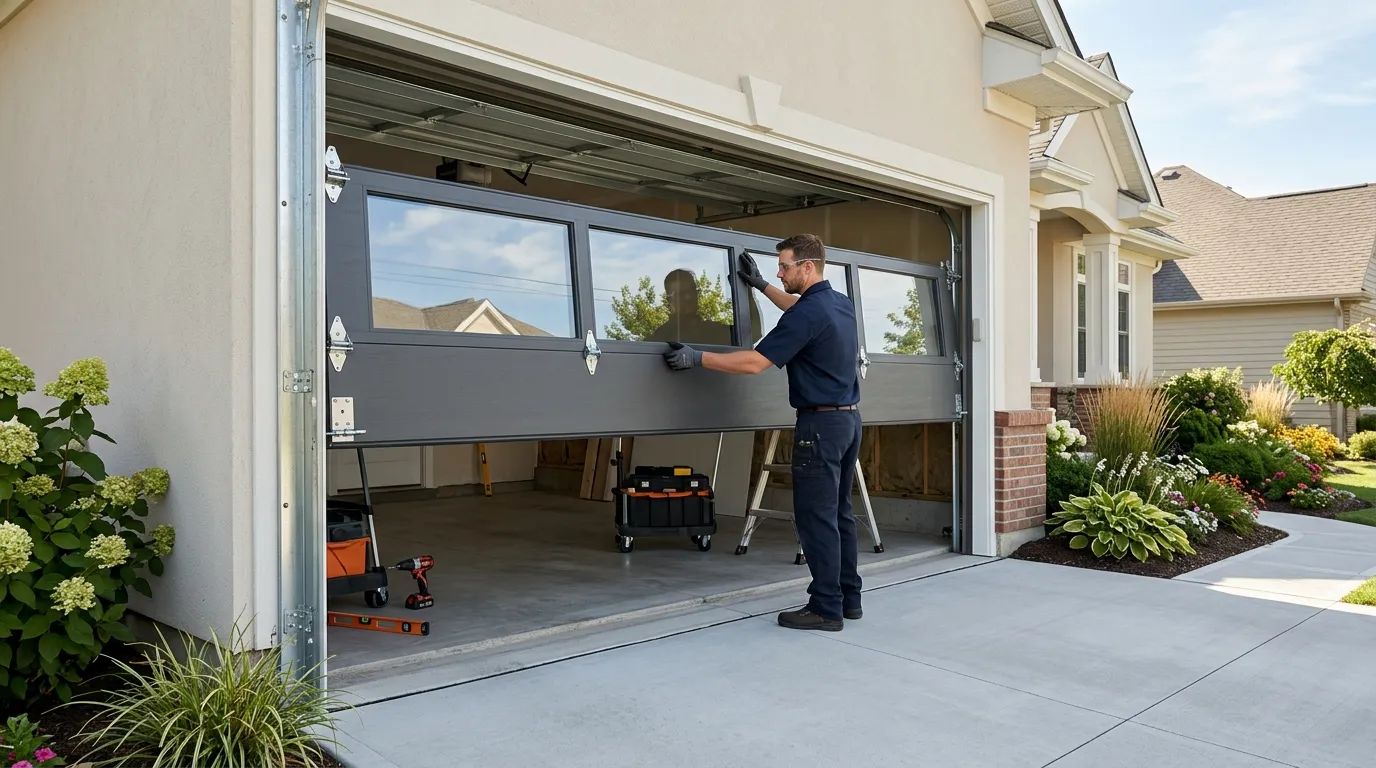
Rolling steel, sectional and high-cycle doors for shops, warehouses and lots.
Learn moreFast Response
A stuck or broken garage door can't wait. Call before the afternoon and we can usually be out the same day - most repairs are diagnosed and finished on the first visit, with an upfront price before any work starts.
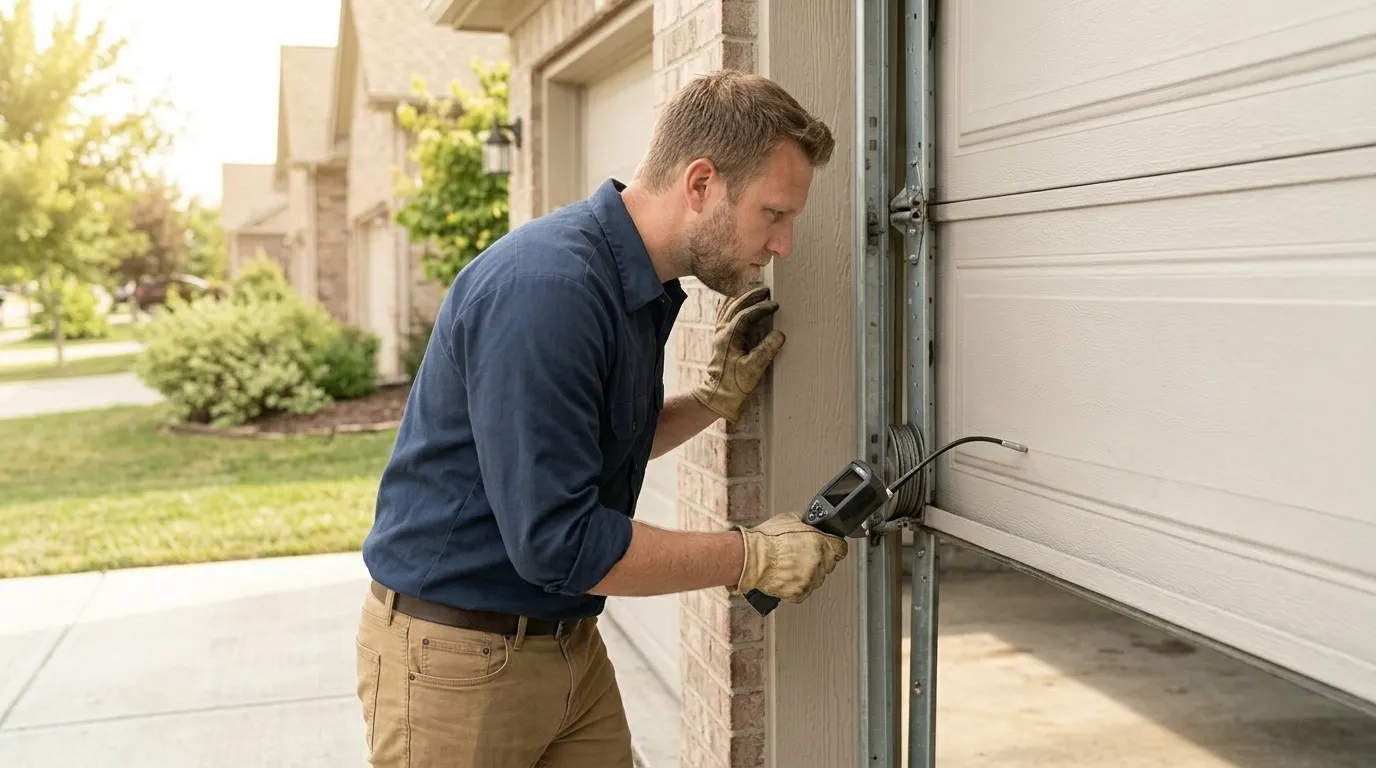 Same-day service
Why Cincinnati Calls Us
Most repair calls are handled the same or next day - springs and openers don't wait.
Trained techs, proper spring tools, and the insurance to back the work.
A written quote at the door before any work starts - no surprise add-ons.
We diagnose the actual cause, not just the symptom, so the door stays fixed.
Fully stocked trucks mean most repairs are finished on the first visit, no second trip.
A Cincinnati-based team you can reach directly, not a national call center.
How It Works
Call or request a quote and describe what the door is doing - noise, off-track, won't open.
A tech inspects the springs, tracks, opener and panels and gives you a written price first.
Most repairs are done on the same visit; installs are scheduled around you.
Our Work
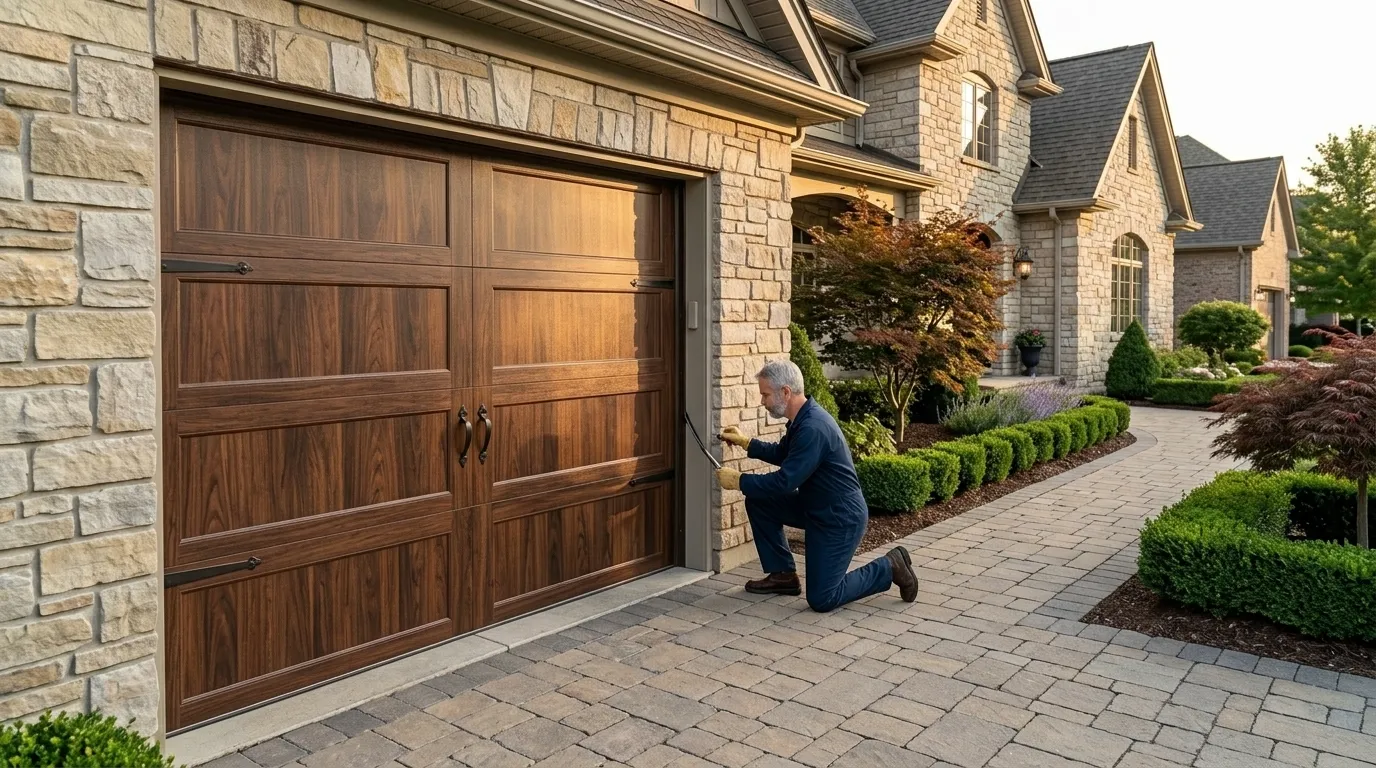
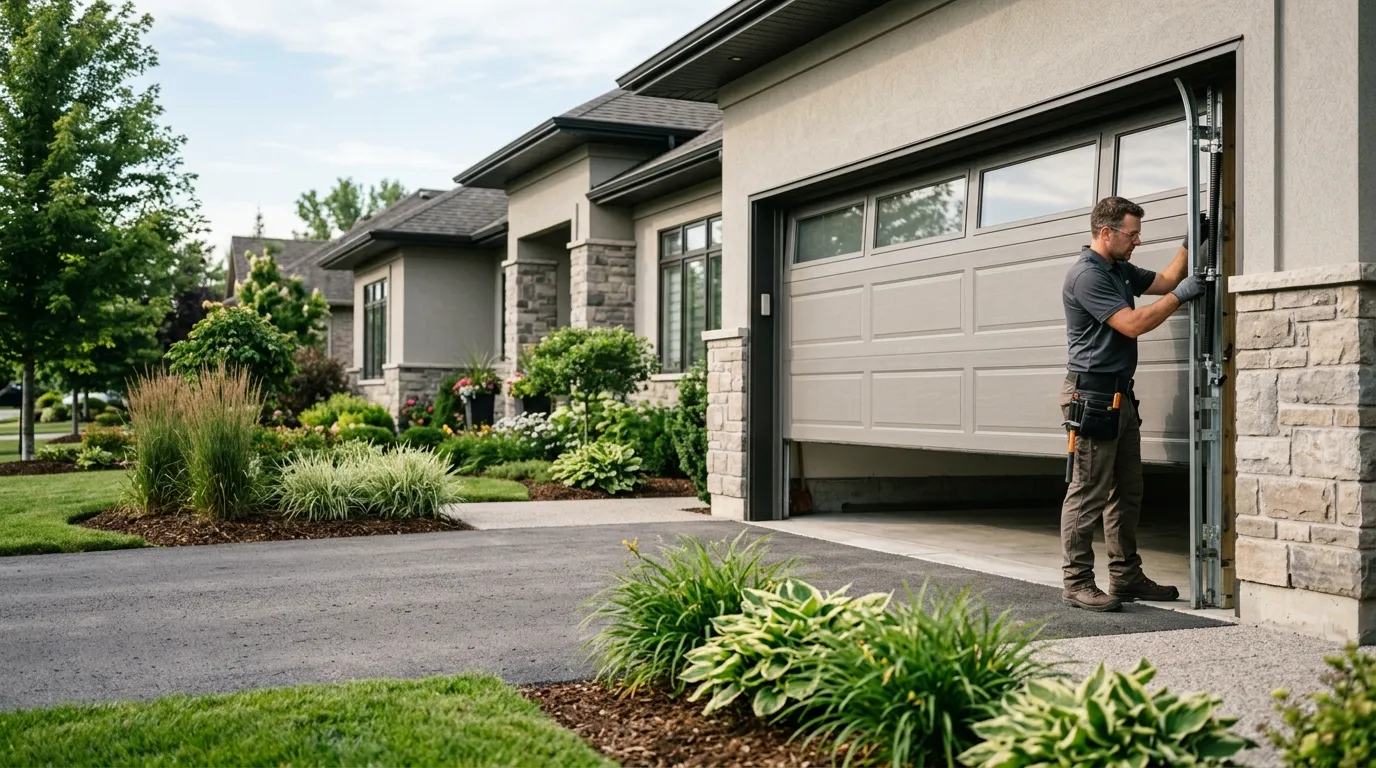
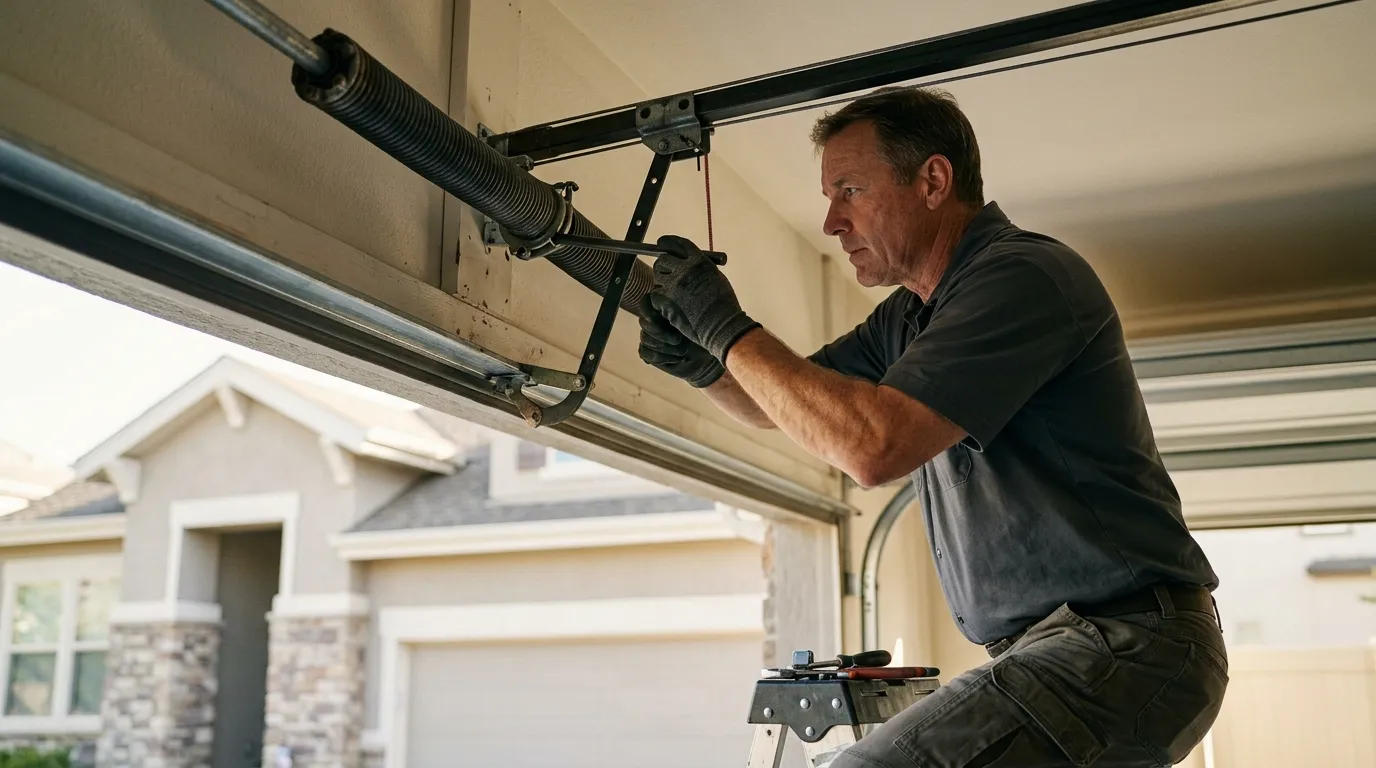
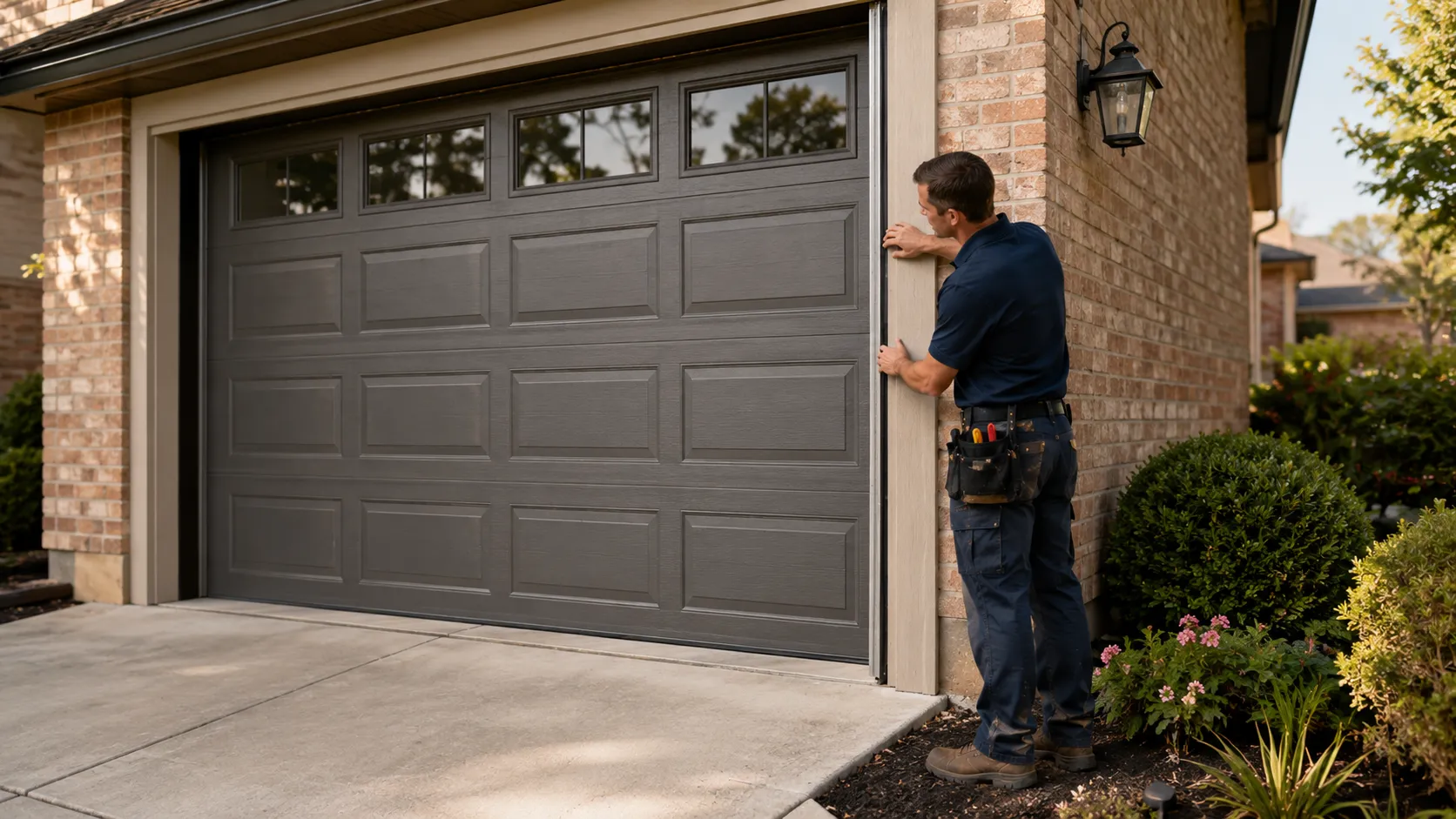
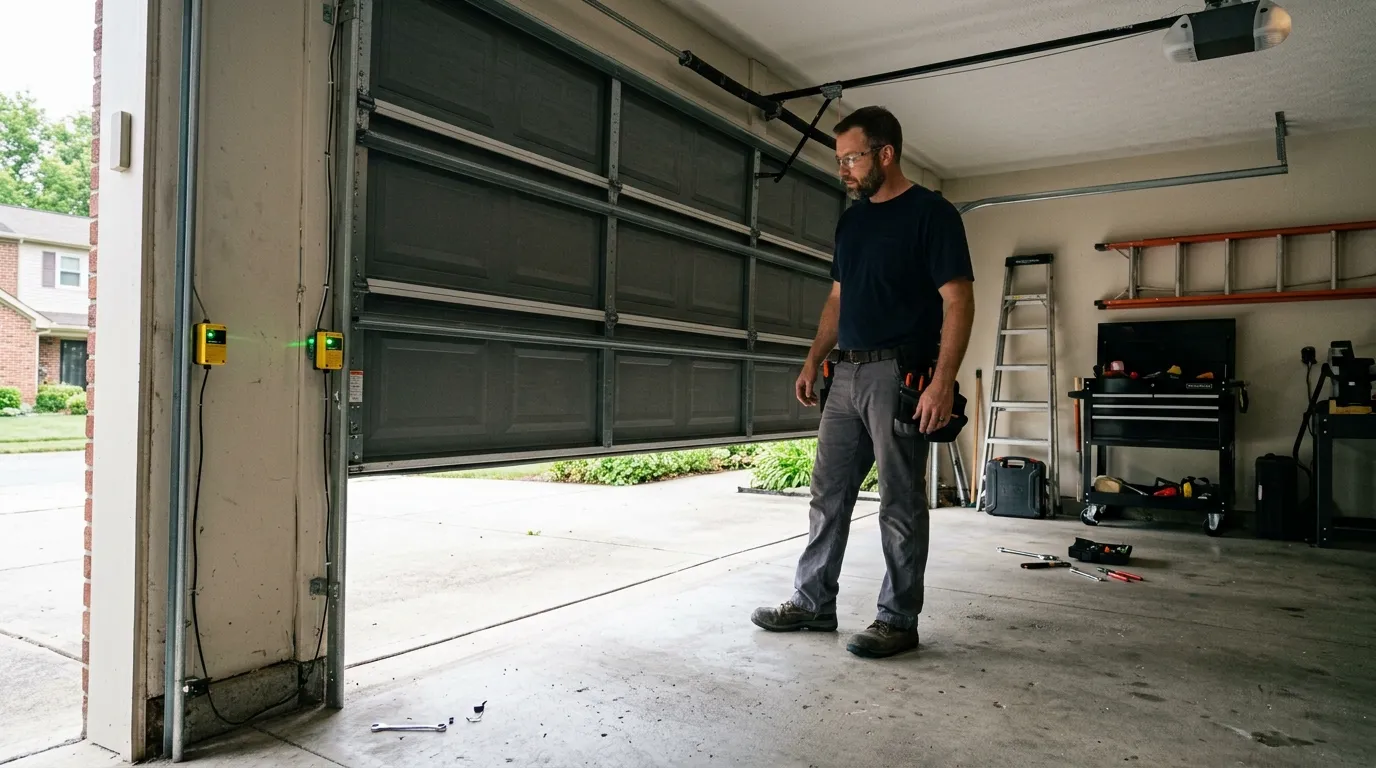
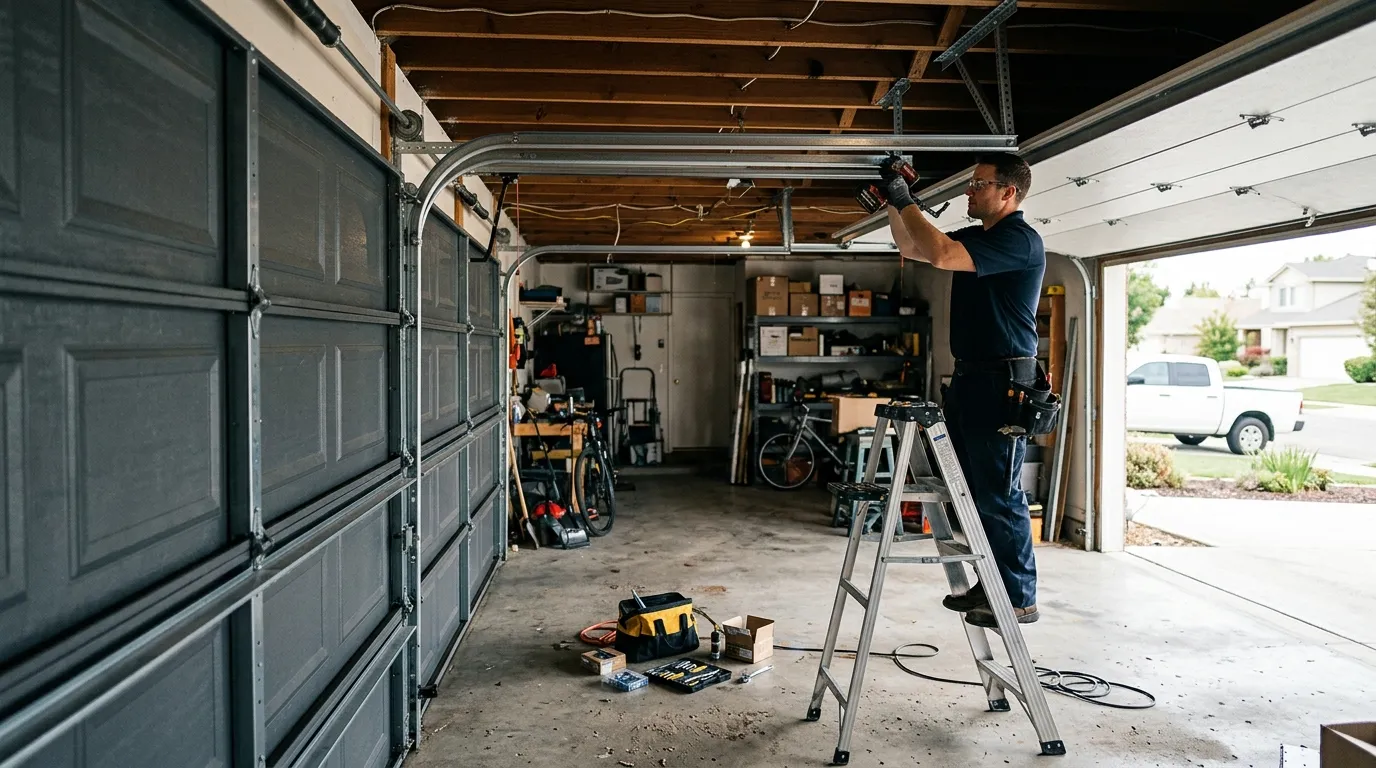
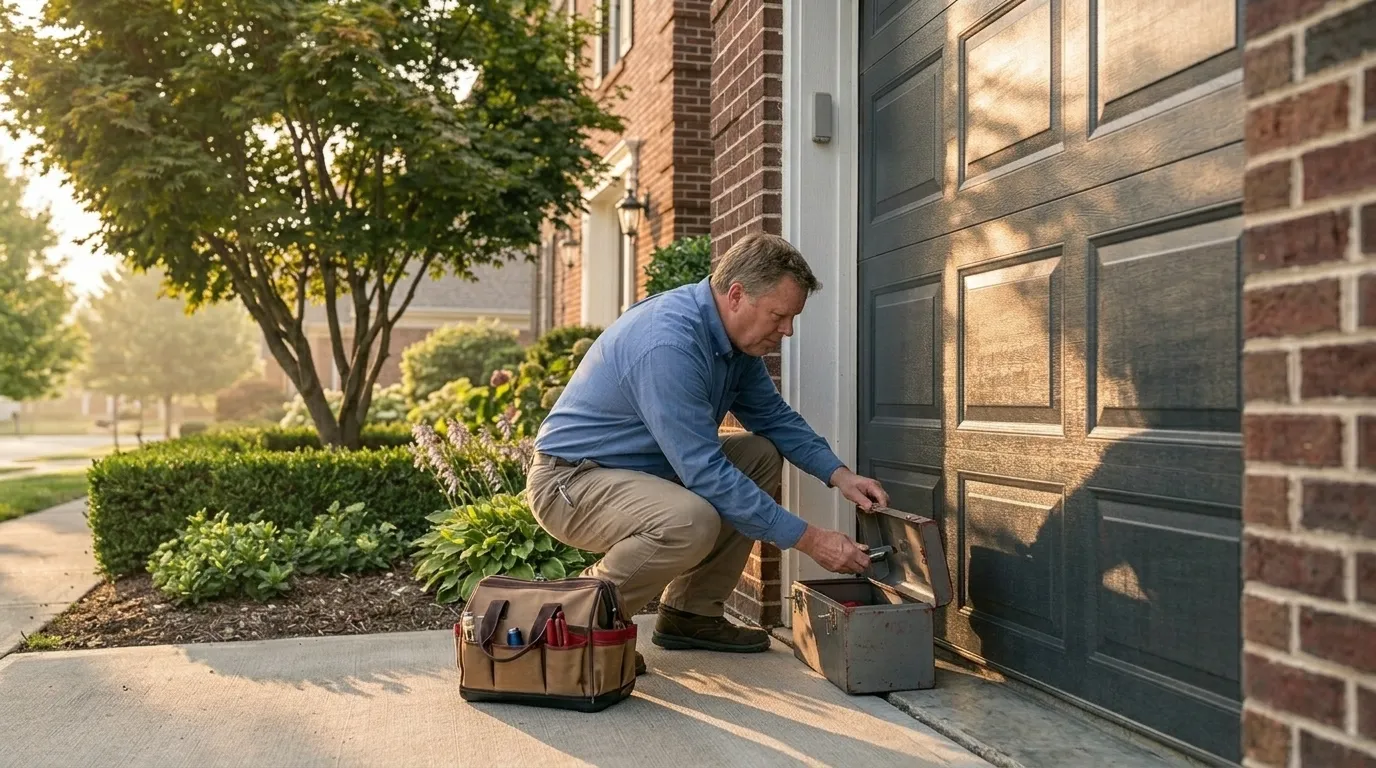
A look at doors, openers and springs we've installed and serviced across the Cincinnati metro.
Where We Work
Neighborhoods across the city and suburbs around the metro. Not sure if we reach you? Just ask.
Local Expertise
Most of the calls we get trace back to the age of the house, not bad luck. Housing across this service area was mostly built between 1938 and 1999, with the median landing around 1972, and a lot of the stock in the 59 named neighborhoods we cover dates to the 1960s and '70s. That means original torsion springs long past their rated cycle count, steel tracks bent from decades of use, and openers from an era before rolling-code security or battery backup. In neighborhoods close in like Corryville, Avondale, and Walnut Hills, we see a lot of older single-panel and sectional doors on hardware that just wears out from age. Farther out in places like Finneytown, Monfort Heights, or White Oak, the doors tend to be newer but the springs and cables still fail on the same timeline everyone's does. Winters here sit in a cold, moderate climate band, and that swing between summer humidity and winter freeze-thaw is hard on steel rollers and lubrication, especially on doors that haven't been serviced since they were installed. We also get a steady run of broken cables and off-track doors from cars backing into them, and worn weatherstripping that lets cold air into the garage. None of this is exotic. It's what happens to a door that's done its job for forty or fifty years without much attention.
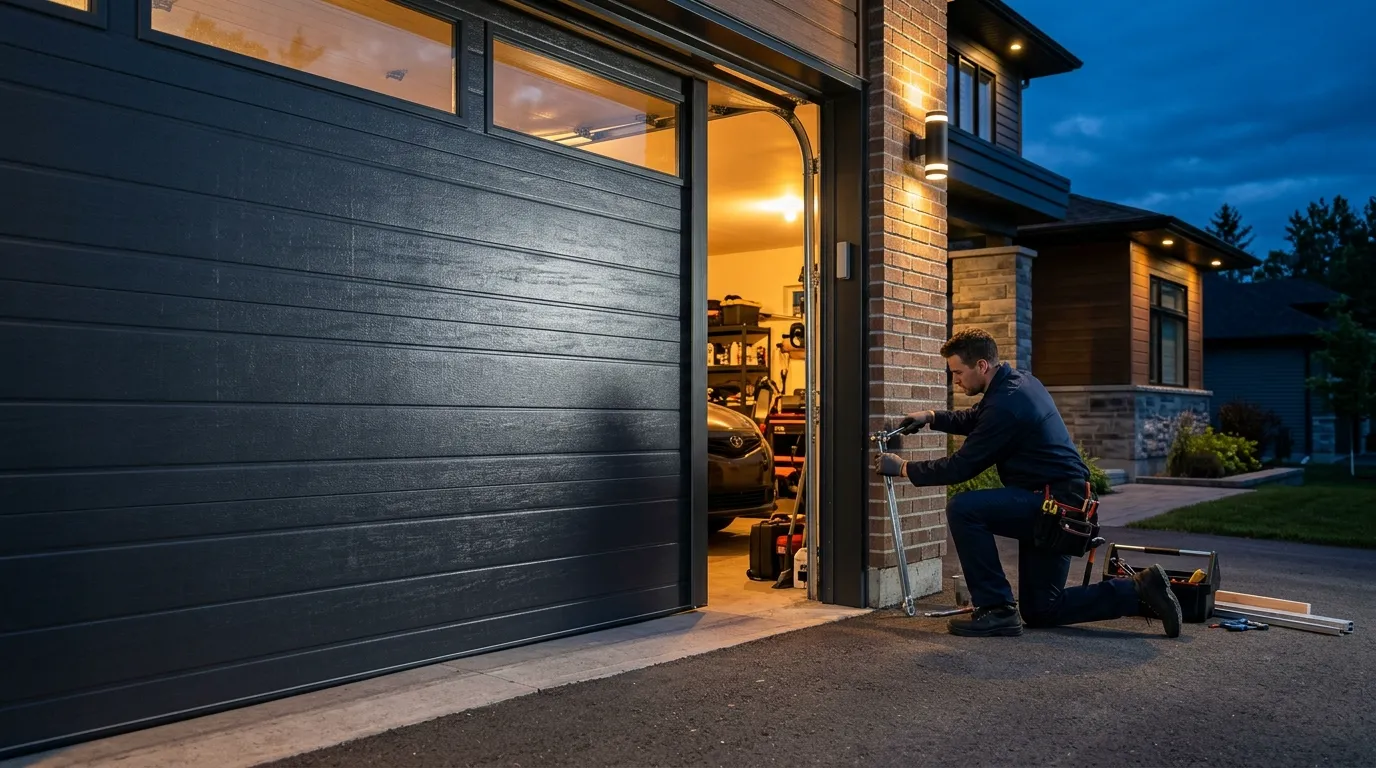
We're not going to hand you a number here, because a torsion spring swap on a standard door and a full opener replacement with a new logic board aren't in the same neighborhood, and quoting one figure for both would be a lie either way. What we can tell you is what drives the number: the age and design of the door, whether the springs are torsion or extension, whether the track is bent or just misaligned, and whether the opener is a legacy chain-drive or something newer with a circuit board that needs matching parts. Given the housing stock here, a lot of jobs involve hardware that was standard in the 1970s and isn't stocked the way current parts are, which can add time and occasionally add cost if we have to source an adapter or a non-standard spring size. Household income across the service area runs a median around $79,195, and we try to price repairs so a spring job doesn't turn into a replacement decision unless the door actually needs it. The honest limitation: if your opener is old enough that the control board is discontinued, we may not be able to match it exactly, and in that case replacing the opener is usually cheaper than chasing a part that doesn't exist anymore.
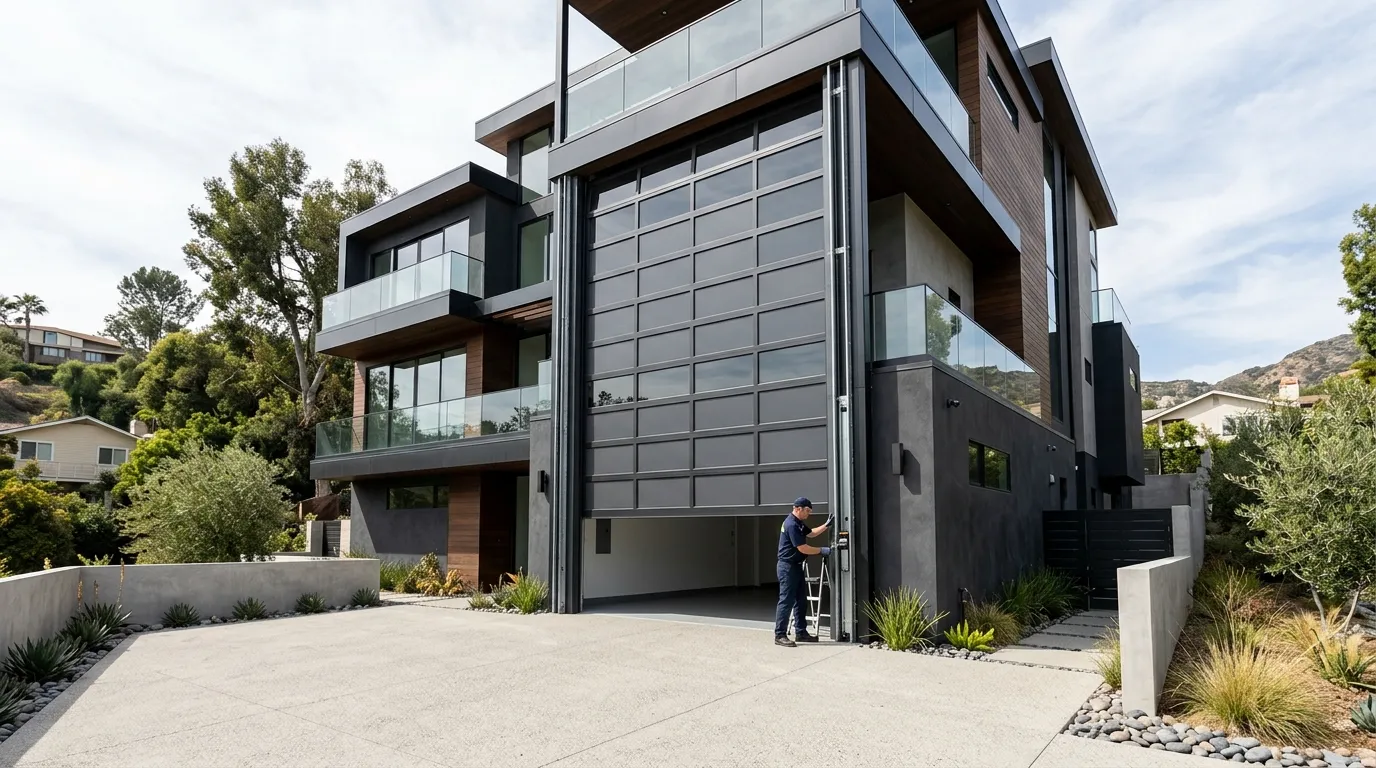
A repair makes sense when the door itself is sound and the problem is one part failing - a spring, a cable, a roller, a section of track. Replacement starts to make more sense when the door is original to a house built in the '60s or '70s and multiple systems are failing at once: springs stretched or mismatched, panels rusted through at the bottom, an opener with no safety reversal sensors because it predates the 1993 federal requirement for them. We won't talk you into a new door if a $200 spring job solves the actual problem. But across the 185,236 households in this area, with 91,321 of them owner-occupied houses, we do see a consistent pattern: doors from the original construction era of a home are wearing out at the same time as the opener, and patching both separately usually costs more over a year or two than replacing the door once. If your panels are dented past square, or the door is a single heavy slab instead of sectional, that's usually the tell that repair is just delaying the inevitable.
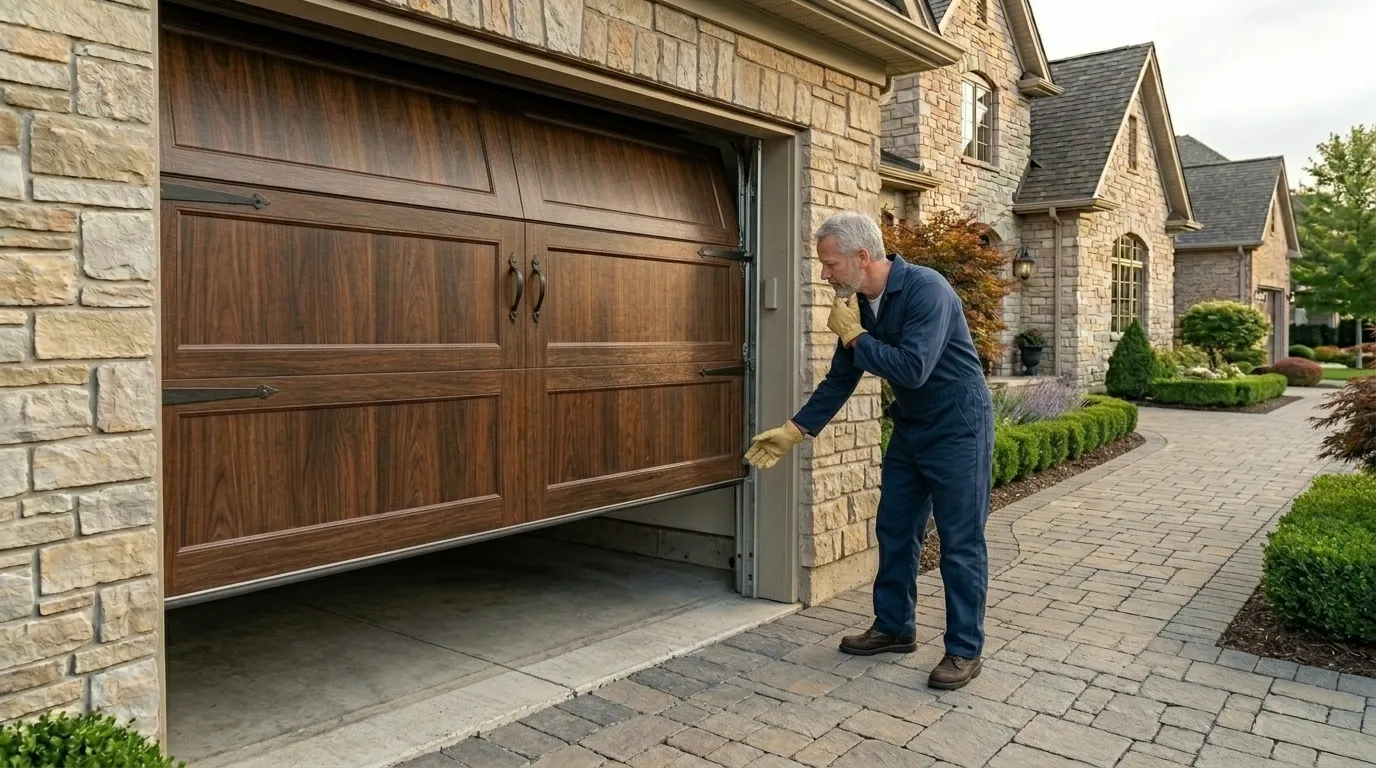
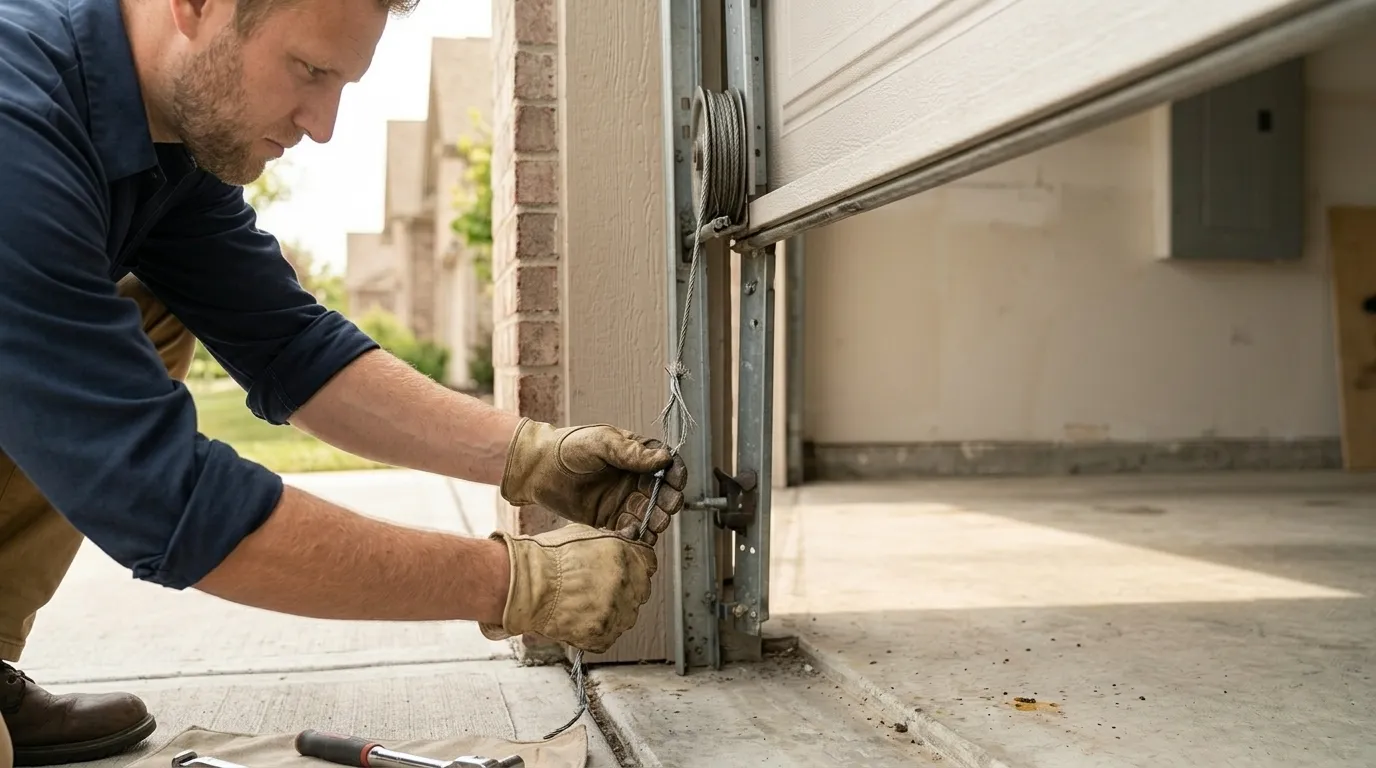
You call, you describe what the door is doing - won't open, off track, opener runs but the door doesn't move, spring visibly snapped - and we ask enough questions to bring the right parts on the truck the first time. Because so much of the housing stock here dates to the 1960s through the 1990s, we carry standard torsion spring sizes and common opener parts as a default, which cuts down on second trips for the routine jobs. On site, we test the door under power and by hand, check both springs even if only one has failed since the other is usually close behind, and look at the track alignment and cable condition before we touch anything. We tell you what we're seeing and what it means before starting work, not after. If something turns out to be more involved than the phone description suggested - a bent track that also needs a new roller set, say - we stop and explain the change rather than just running up the job.
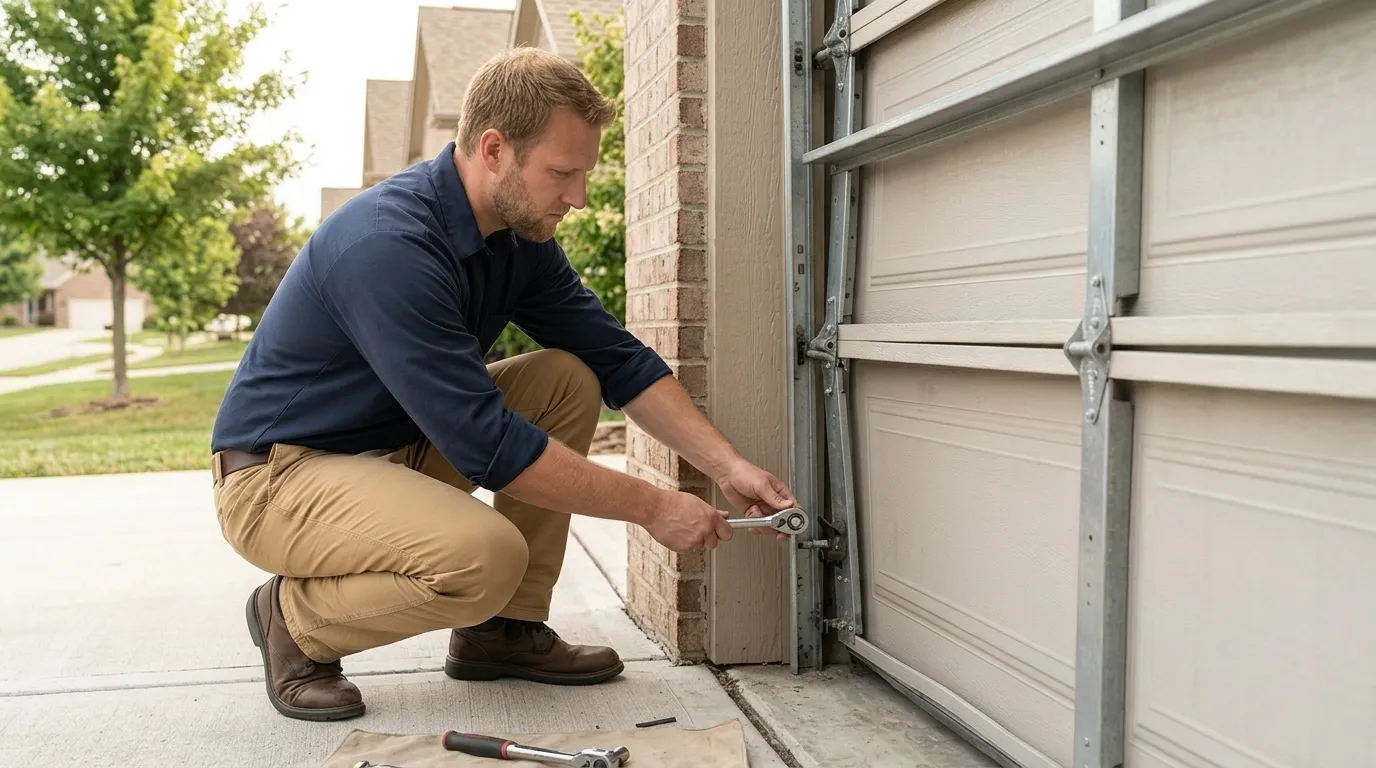
We work close-in neighborhoods like Corryville, Avondale, Walnut Hills, Evanston, and Winton Place, and we go out as far as Forest Park, Blue Ash, and Forestville, covering 59 named areas in total. The pattern holds pretty consistently across all of them: housing built mostly between 1938 and 1999, with the heaviest concentration from the 1960s and '70s. That matters for garage doors specifically because a door installed when a subdivision went up in, say, 1968 is now well past any reasonable service life, and the opener installed alongside it - if it hasn't already been swapped once - is almost certainly a safety liability by current standards. Neighborhoods like Hyde Park, Oakley, and Mariemont mix in some newer construction and renovated houses, so the door age varies more block to block there than in the more uniform postwar tracts farther out toward College Hill or Greenhills. Either way, knowing roughly when a neighborhood was built tells us a lot about what we'll find in the garage before we ever pull up.
Good to Know
Yes. Given how much of the housing stock here dates to that era, we stock common torsion spring sizes and legacy-compatible opener parts as our default truck stock. Occasionally a non-standard spring or a discontinued opener board needs sourcing, which can add a day, but most original-era doors we can handle on the first visit.
If one part failed - a spring, a cable, a roller - that's usually a repair. If the door is original to an older house and several things are wearing out together, panels rusting, opener without modern safety reversal, mismatched springs, replacement often costs less over time than repeated repairs.
The area sits in a cold, moderate climate band, and the swing between humid summers and freezing winters is hard on steel rollers, cables, and lubrication. Doors that haven't been serviced in years tend to show stiffness or noise first in the cold months.
We cover close-in areas like Corryville, Avondale, Walnut Hills, and Evanston, and extend out to areas including Blue Ash, Forest Park, Wyoming, and Finneytown, roughly 59 named neighborhoods in total across the wider service area.
Call now or request a free quote - same-day service on most repairs, upfront written pricing.