Cincinnati, OH · Garage Door Service
Garage door repair and opener service for Madisonville, six miles east-northeast of downtown Cincinnati, serving housing built mostly between the late 1930s and the turn of the century.
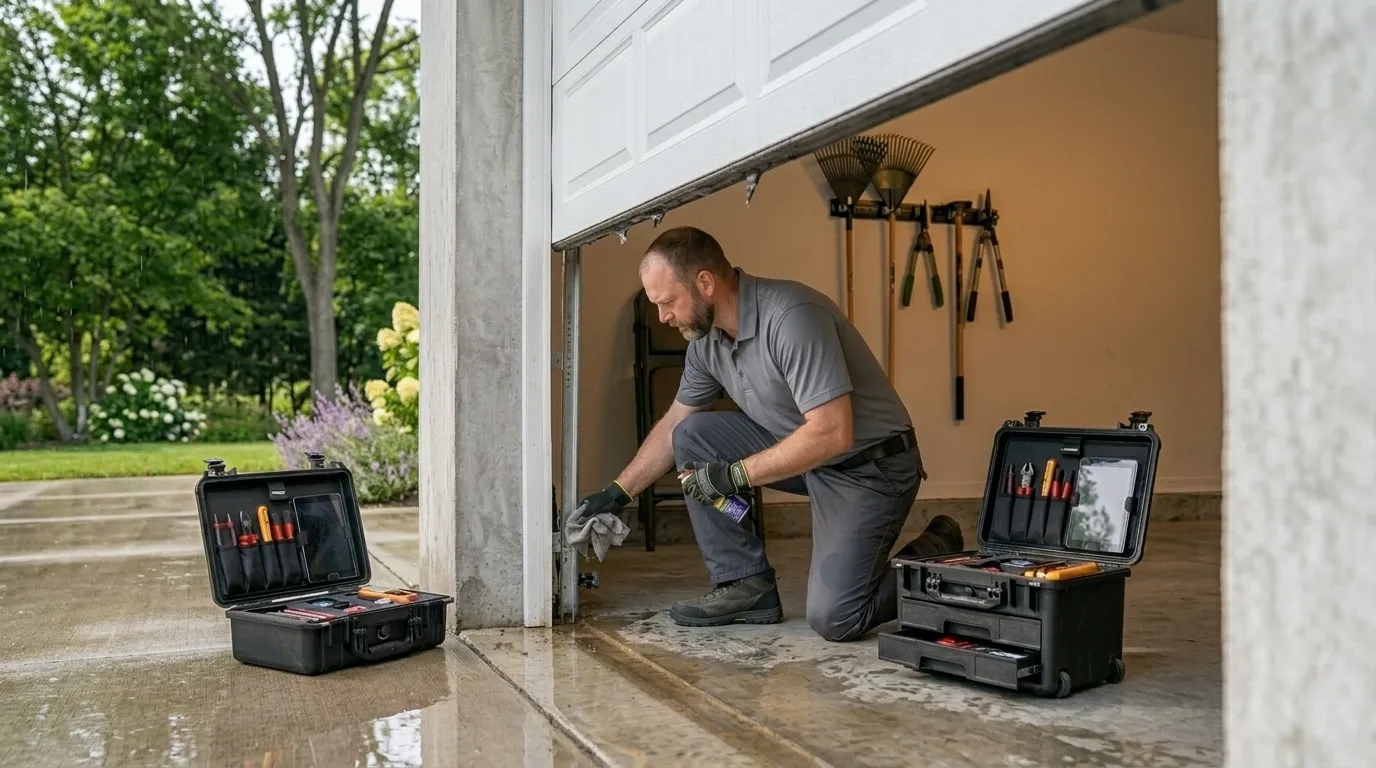
Madisonville sits about six miles east-northeast of downtown Cincinnati, on the inner ring of neighborhoods that grew up around the city's early industrial spine. We don't have a landmark list for this stretch of streets, and we're not going to invent one - what we know comes from the census data covering the wider Cincinnati service area we work in, plus the plain fact of where the neighborhood sits on the map. Six miles is a drive from the center, not from our trucks, which already route through this side of town most weeks. If you call from Madisonville, you're inside the territory we run calls in every day, not on the far edge of it. We're not going to pretend to know your street by name if we don't, but we do know the kind of housing and weather this part of the metro deals with, and that's what actually drives the repair work.
Across the wider service area - the same set of 59 named pockets that includes this six-mile stretch out to Madisonville - homes were built mostly between 1938 and 1999, with the typical house dating to about 1972. That's a long enough span that you get everything from prewar single-bay garages retrofitted with openers decades later, to 1970s two-car setups built with the garage as part of the original plan. Being six miles out from the core, Madisonville's cold-moderate winters do the same work on torsion springs here as anywhere else in the service area, just with older housing stock underneath them. Cold cycling metal fatigues springs faster, and openers from the 1970s and 80s were never built with today's safety sensors, so a lot of what we find is original hardware nearing the end of its working life rather than anything freshly broken. We won't tell you a repair will outlast a full replacement when it won't - sometimes the honest answer is that a 50-year-old door isn't worth patching again.
A six-mile trip from the center puts Madisonville well inside the loop we run calls through daily, so getting on the schedule doesn't take longer just because you're not close to downtown. You can reach us through the site at cincinnatigaragedoorpros.com to set up a visit. We ask a few questions up front about the door's age and what it's doing (or not doing) so we bring the right springs, cables, or opener parts the first time, rather than making a second trip. One limitation worth saying plainly: some older chain-drive openers from this housing era use parts that aren't sitting on the truck and need to be special-ordered, and we'll tell you that upfront instead of pushing a full unit swap you didn't ask for.
On a street built out mostly between the late 1930s and the turn of the century, the calls we get from Madisonville skew toward original torsion hardware that's simply worn out, not accident damage. That means broken torsion springs on doors that have never been serviced, worn rollers rattling in tracks that were never realigned, and openers with drive gears that have finally stripped after years of cold-weather cycling. We also see cable fraying on older drum setups, and the occasional door that's been painted shut at the seams from decades of touch-ups. What we don't get much of, given the era of the housing, are the failure modes you'd expect from brand-new builds - misaligned safety sensors on units installed last year, for instance. If your door came with the house and the house is from this stretch of build years, chances are decent the fix is mechanical and the part is one we've seen before.
Not without seeing it. We know the surrounding housing stock in the service area was mostly built between 1938 and 1999, median around 1972, but your specific door's install or replacement date depends on your home's history. We'll check the spring wind, hardware style, and opener model on site to pin down roughly when it went in.
Metal contracts in the cold and the repeated cycling adds fatigue faster than in a mild climate. In a cold-moderate area like this, a torsion spring that's already decades old is more likely to snap in winter than in summer, especially on original hardware that's never been replaced.
Sometimes, sometimes not. If the track and frame are sound and it's just a spring or roller issue, repair usually makes sense. If the door itself is warped, painted shut at the seams, or the opener is a stripped-gear unit from the 70s or 80s, replacement is often the more honest answer, and we'll say so.
Call now or request a free quote - same-day service on most repairs, upfront written pricing.