Cincinnati, OH · Garage Door Service
Garage door spring, opener, and track repair for Linwood, Cincinnati homes built mostly between the 1960s and 70s. Same service area, real scheduling, no invented claims.
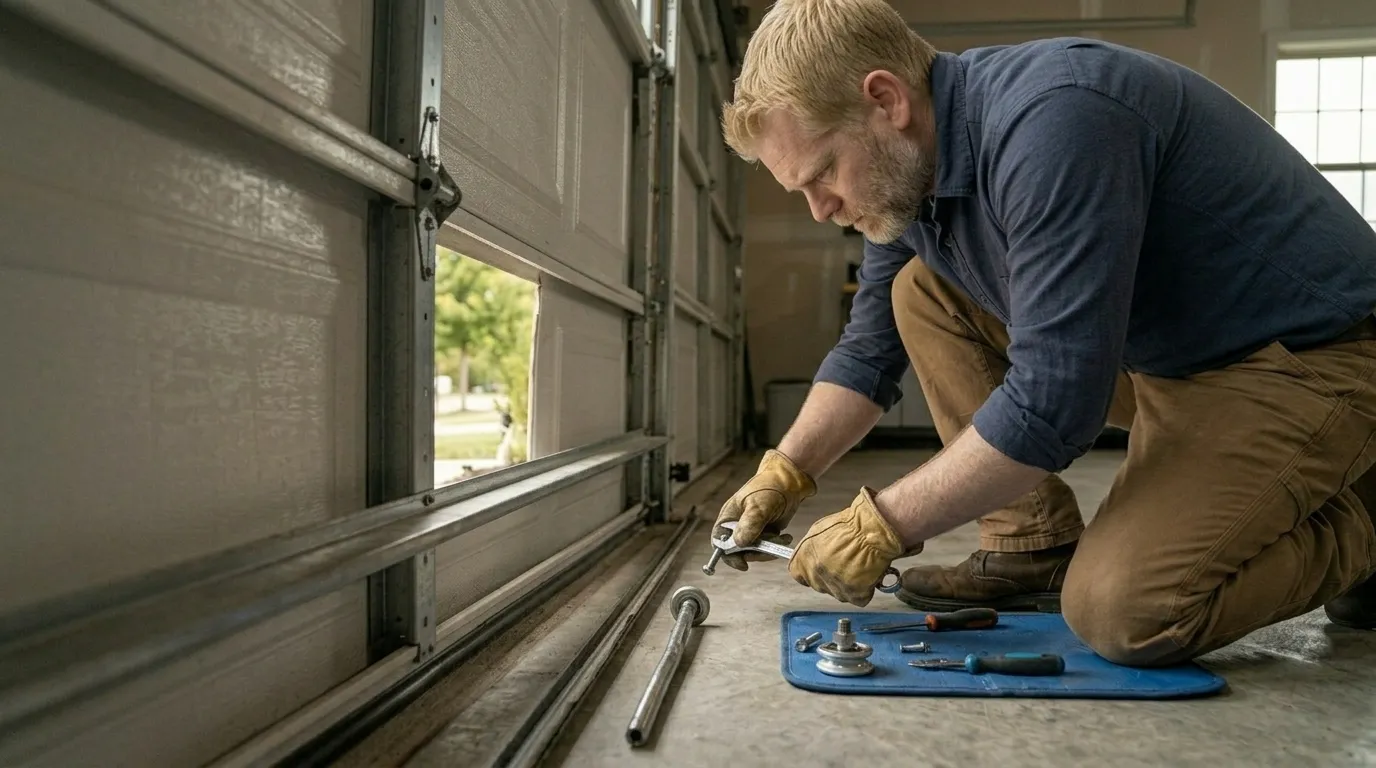
Linwood sits about five miles east-southeast of downtown Cincinnati. We work this stretch as part of a service area that stretches from the river neighborhoods out through dozens of named communities across the county, and Linwood falls inside that footprint. We don't have street-level landmarks to point to here, so we're not going to invent any - what we can tell you is where the housing dates from and what that means for the door on your garage, because that's the part that actually determines the job.
Being on the east side of the urban core rather than out in the newer suburban ring matters more than it sounds like. Houses this close to the center of the city tend to have been built earlier, in waves, rather than all at once in a single subdivision push. That shows up later as a mix of door ages and mounting styles on the same block, which is worth knowing before a truck ever shows up.
Across this part of Cincinnati, housing generally dates from 1938 through 1999, with the bulk of it going up in the 1960s and 70s. That range covers a lot of garage construction methods. Early builds in that window often have steel doors on extension springs mounted along the sides of the track, not the torsion bar over the header that's standard now. Later builds from the 70s start showing torsion setups, but not always sized to today's door weights if a door's been swapped out over the years without upgrading the spring behind it.
The climate band here is cold and moderate - not the harshest winters in the country, but enough freeze-thaw cycling that steel fatigues, lubricant thickens, and rollers that were fine in August start binding by January. On a door that's been running the same hardware since the Nixon administration, that cycling is usually what finally breaks a spring rather than any one dramatic event. We see this pattern often enough on doors from this era that it's worth checking spring wear before it fails on you at 6am.
We schedule visits the same way for Linwood as anywhere else in the area - a call, a description of what the door's doing, and a time on the calendar. We don't have a posted response-time guarantee to quote you, so we won't make one up; if you need a rough sense of timing, ask when you call and we'll tell you honestly what the week looks like.
One limitation worth saying up front: if your door needs a part that isn't common anymore - an odd-width extension spring or an older opener's specific logic board - that can mean a short wait on the part rather than a same-visit fix. We'd rather tell you that before the truck rolls than have you standing in the driveway surprised. You can reach out through the site to get things started.
Given the age of the housing stock here, the calls fall into a fairly predictable pattern. Broken torsion or extension springs top the list, especially on doors that have never had the spring replaced since the house was built decades ago. Openers from the 80s and 90s that finally give out - chain drives with worn gears, or safety sensors that were bolted on later as a retrofit and never aligned quite right. Track and roller wear from side-mount hardware that wasn't designed for the door weights people put on it after a replacement.
We also get calls on panel damage - dents and cracked sections on steel doors that have taken forty-plus years of weather in a cold-moderate climate, where the seams finally start to separate. Not every one of these is worth fixing. On an old, single steel-panel door with a shot spring and a dying opener, replacement is usually the more honest answer than patching each piece as it fails, and we'll say so if that's the situation.
We don't have door-specific records for the neighborhood, but the housing here mostly dates from the 1960s and 70s, with some going back to the late 1930s. That means a lot of original steel doors on extension-spring hardware, or later replacements that were never matched to the right spring size for the door.
Yes. The area sits in a cold-to-moderate climate band, which means real freeze-thaw cycling through the winter. That cycling stiffens lubricant and fatigues steel faster than a mild, stable climate would. On older springs that have already done decades of work, winter is usually when the last cycle finally breaks them.
We handle repair and replacement. On an older door that's failing in multiple ways at once - spring, opener, and panel all at the end of their life - replacement is often the more honest recommendation than repeated patch repairs, and we'll tell you when that's the case rather than upsell a fix that won't hold.
Call now or request a free quote - same-day service on most repairs, upfront written pricing.