Cincinnati, OH · Garage Door Service
Cincinnati homes mostly date to the 1960s-70s, built on hardware from a different era. Here's how to tell if your door is worth repairing or replacing.
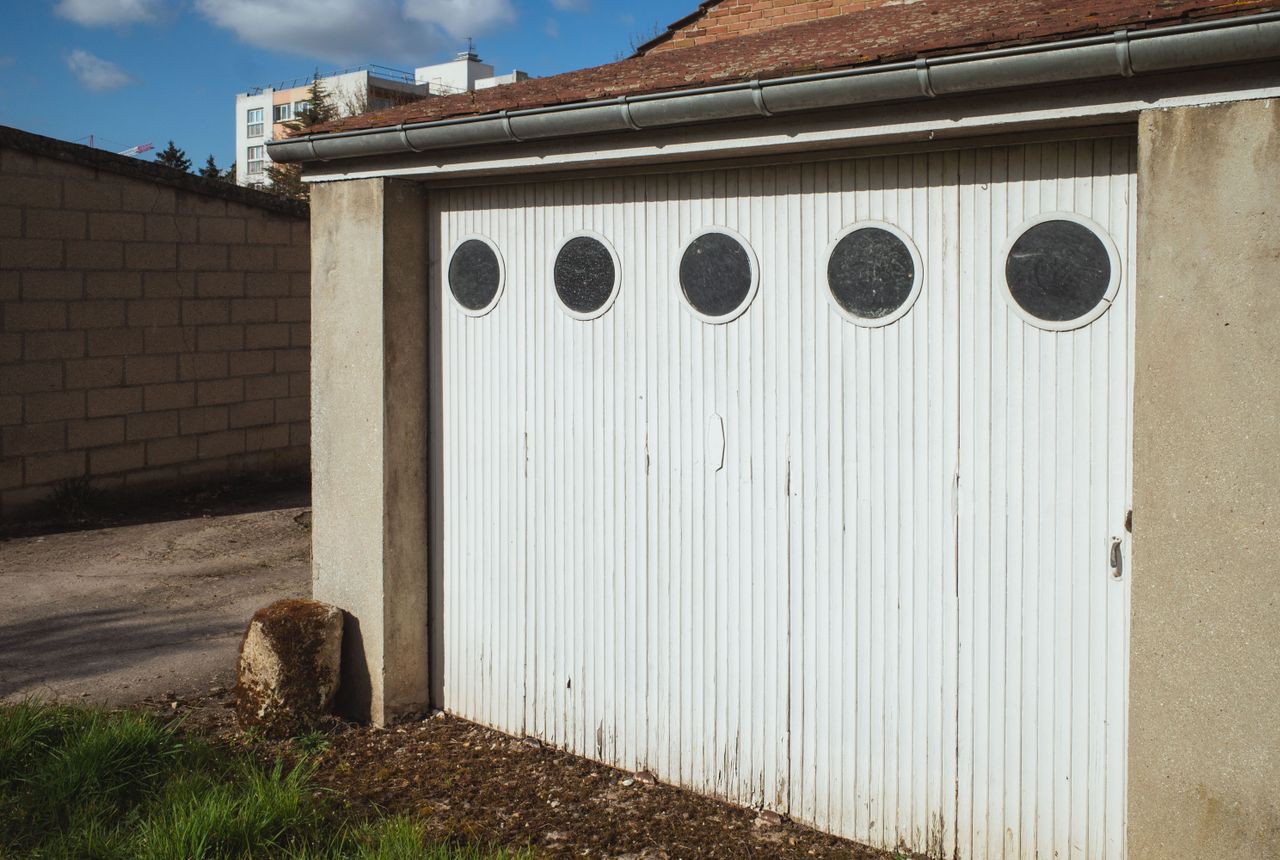
A lot of the doors we look at in Corryville, Avondale, and Walnut Hills are original or close to it, since most housing in this service area went up between 1938 and 1999, with the median build year sitting at 1972. That means the door in front of you is probably running on galvanized torsion springs and steel track sized to specs nobody stocks new anymore.
If a panel is dented but the door still tracks straight and the springs hold tension, that's a job you can handle with a wrench and patience. If the door is sagging on one side, if the cable has jumped the drum, or if a spring has let go and the door won't lift past knee height, stop. Torsion springs store enough force to break a hand or a face. That's not a scare tactic, it's why we get calls.
The other line we draw: if your opener predates chain-drive safety reversal standards, don't keep patching it. A door that doesn't reverse when it hits resistance is a liability, not a maintenance item. Swap the opener before you swap anything else on that door.
Not every noise means a service call. A door that groans on cold mornings but opens fully is telling you the lubricant has gone stiff, not that anything is failing. That's common here given the cold-moderate climate band this area sits in - steel track and hardware contract in winter, and a door that was fine in October can squeal in January without anything actually being broken.
A rusted bottom bracket on an otherwise solid door can usually wait for a scheduled visit rather than an emergency one, as can a roller that's noisy but still rolling round. Cosmetic dents on the bottom panel, the one that takes the brunt of a car bumper or a snow shovel, rarely affect function and rarely justify replacing a whole door.
One honest note: we don't push replacement on a door just because it's old. A well-built door from the 1970s stock common across this area can still be structurally sound decades later if the springs and hardware were kept up. Age alone isn't the test - what matters is whether the panel, track, and drive system are still doing their job.
Across the roughly 91,321 owner-occupied houses in this service area, a big share are carrying garage doors and openers that were installed, or last replaced, sometime in the 1960s or 70s - the era that defines most of the 59 named communities we cover, from Bond Hill to Westwood to Pleasant Ridge. That's not a guess about your specific door; it's the pattern we see house after house.
What that means practically: parts compatibility gets harder every year. A torsion spring wound to a 1968 drum diameter isn't a shelf item at most suppliers, and neither is a wood panel door track built to a spec that changed decades ago. Sometimes the repair costs more in labor to source and adapt an odd part than a new door costs installed. We'll tell you when that's the case rather than force a fix that won't hold.
Median household income in this area runs $79,195, which is worth mentioning only because it shapes what a fair repair-versus-replace call looks like - we're not going to recommend a full replacement when a spring swap and a new set of rollers will get you another decade out of a door that's otherwise sound.
The cold-moderate climate this area sits in means real freeze-thaw cycles, not extreme cold, but enough of them each winter to matter. Steel expands and contracts, weatherstripping hardens and cracks, and door bottoms that seal fine in July can gap in January. On an older door - and given the 1938-1999 build range here, most are older - that gap often means the seal itself needs replacing, not the whole door.
Humidity swings between seasons also take a toll on wood-panel garage doors, which show up more in the older pockets of housing stock, particularly closer to the urban core. Wood swells and shrinks with moisture, which loosens hinges and throws panels out of square over years of that cycle. That's a maintenance item worth catching early, since a warped panel is harder to fix than to prevent.
We don't recommend chasing every seasonal squeak with a service call. But if a door that worked fine last winter is suddenly binding or dragging this winter, that's usually the track or the rollers reacting to the cold, and it's worth a look before a spring lets go on a subzero morning.
Not necessarily. Age alone doesn't disqualify a door - what matters is whether the track, springs, and panels are structurally sound. A lot of houses in this area date to that era and still have doors worth repairing rather than replacing, as long as the hardware has been kept up.
Cold contracts steel track and stiffens lubricant on rollers and hinges. In a cold-moderate climate like this one, that seasonal noise is common and usually doesn't mean anything is broken - a service lube job often clears it up.
If the panels and track are square and undamaged, a spring swap is usually the cheaper and faster fix. If the door is an odd older size with hardware that's hard to source, sometimes replacement costs less in labor than adapting obsolete parts.
Yes, if it hasn't warped. Older wood doors common in this area's older housing stock are prone to swelling and shrinking with seasonal humidity, which loosens hinges over time. Catching that early with maintenance is cheaper than replacing a warped panel later.
Call now or request a free quote - same-day service on most repairs, upfront written pricing.