Cincinnati, OH · Garage Door Service
Fairfield homes built around 1978 often still run the original steel rollers their track was set for. Here's what replacement involves and how to book it.
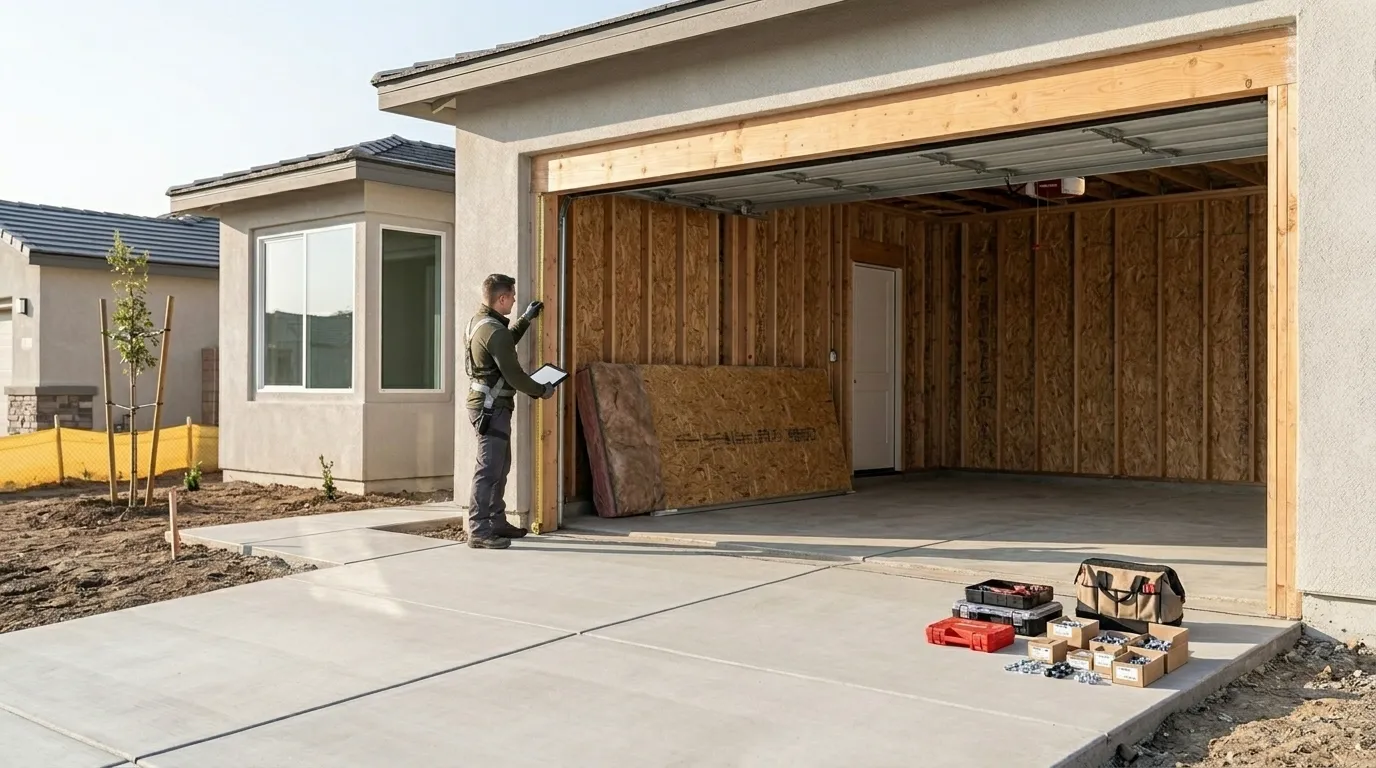
Fairfield's housing stock centers on 1978, a few years newer than the 1972 median across the wider Cincinnati service area. That gap matters on a roller job: most doors here still carry the galvanized steel rollers and stamped-steel track brackets that came with the house, because nobody replaces a roller until it fails outright. We pull the old rollers, check the track for wear grooves where steel has been riding for decades, and set new rollers - usually sealed nylon with ball bearings - so the door runs quieter and lasts longer on the track. If the track itself is bent or the brackets have rusted through, that's a separate repair, and we'll tell you before we start rather than bolt new rollers into bad track. On a house this age, worn rollers are often the first hardware failure an owner notices, well before the opener or the springs give out. It's a small job, but it's rarely the only thing wrong once the door comes apart.
You're not without the door for a stretch of days on this job. Roller replacement is bolt-in work - the old rollers come out, new ones go in, and the door is back on its track during the same visit. What eats time isn't the rollers themselves, it's what we find behind them: if decades of track wear has cut a groove into the rail, straightening or swapping a section of track adds to the job. Rollers are stock items, not special-order parts, so there's no waiting on a shipment once we're on site. We travel out from Cincinnati for the appointment, so the door stays down for the length of the work itself and nothing more - no separate trip for parts, no second visit unless the track inspection turns up something the rollers were only masking.
Cincinnati's service area sits in a cold-moderate climate band, which puts Fairfield through real freeze-thaw swings each winter. Steel rollers with worn bearings pick up ice in the track grooves, and that's what turns a slightly noisy door into one that won't budge on a cold morning. On a house built around 1978, if 45-plus years of track wear - or on the newer end of Fairfield's stock, closer to 25 years - has worn a groove into the rail, a straight roller swap won't fix it; the track needs attention too. Nylon rollers handle the cold better than steel because they don't contract and stick the same way, but swapping roller type sometimes means adjusting the bracket spacing, which is a slightly bigger job than it sounds. The honest limitation here: if the track is pitted or bent along most of its length, replacing rollers alone is a patch, not a fix, and we'll say so.
Fairfield runs about 18,293 households, most sitting on the housing wave that peaked around 1978 - old enough that original rollers are on borrowed time, young enough that many owners haven't had a reason to touch them yet. Median household income here comes in near $70,166, a notch below the $79,195 median across the broader area we cover, which lines up with what we see on the job: more owners waiting until a roller fails outright rather than replacing preventively at the first squeak. We're dispatched to Fairfield from Cincinnati, about 13 miles out, so a service call means booking ahead rather than a same-day drop-in. None of that changes the mechanics of the fix, but it's why a roller call in Fairfield usually comes in as an emergency rather than a routine tune-up.
Roller replacement in Fairfield is a scheduled visit, not a walk-up job - we come from Cincinnati, so pick a day that works and we'll confirm a window with you. If you want the wider picture on what we handle in Fairfield beyond rollers, see the Fairfield Garage Doors page. For the general rundown on how roller replacement works across the Cincinnati service area, including roller types and cost ranges, the Cincinnati roller replacement page covers that in more depth. When you call, mention the door's age and whether it's making noise, sticking, or has come off the track - that tells us whether to plan for a straight roller swap or bring extra track hardware just in case.
Most homes in Fairfield date to around 1978, and if the door hasn't been serviced, there's a good chance the rollers are original. Steel rollers from that era typically outlast their bearings long before the roller wheel itself wears through, which is why they start sounding rough well before they fail outright.
Yes. The area sits in a cold-moderate climate band, so freeze-thaw cycles are routine each winter. Worn steel roller bearings pick up moisture and ice in the track grooves, which is a common reason a door that squeaked all fall suddenly won't move on a cold January morning.
It's bolt-in work done in a single visit - old rollers out, new ones in, door back on track the same appointment. The only thing that extends it is track condition. If decades of wear have grooved the rail, straightening or replacing that section adds time to the job.
Usually, yes. Nylon rollers with sealed bearings run quieter and handle cold better than steel. Sometimes the bracket spacing needs a small adjustment to fit them properly, which we'll check when we're there rather than assume it's a direct swap.
Call now or request a free quote - same-day service on most repairs, upfront written pricing.